Thinking about trading Sacramento’s hustle for more space and a slower pace? If Colusa County is on your radar, you probably have questions about commute times, schools, healthcare, and what it is like to own a home on acreage or in a small town. This guide shows you what to expect, how to plan your move, and which details to verify before you buy. Let’s dive in.
Why Colusa County appeals
Colusa County sits northwest of Sacramento in the Sacramento Valley. It is a small, largely rural county with open farmland and close-knit towns like Colusa, Williams, Arbuckle, and Maxwell. The agricultural base shapes the landscape, parcel sizes, and daily life. For a quick snapshot of population and housing, review U.S. Census QuickFacts for Colusa County.
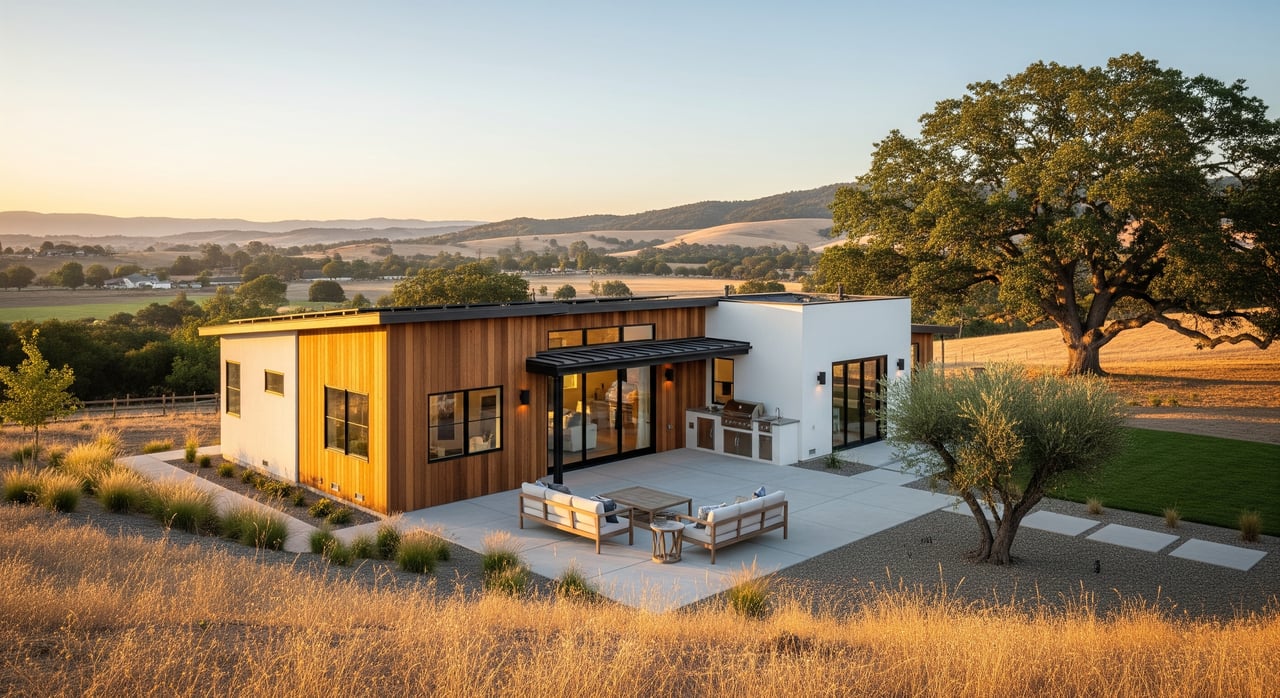
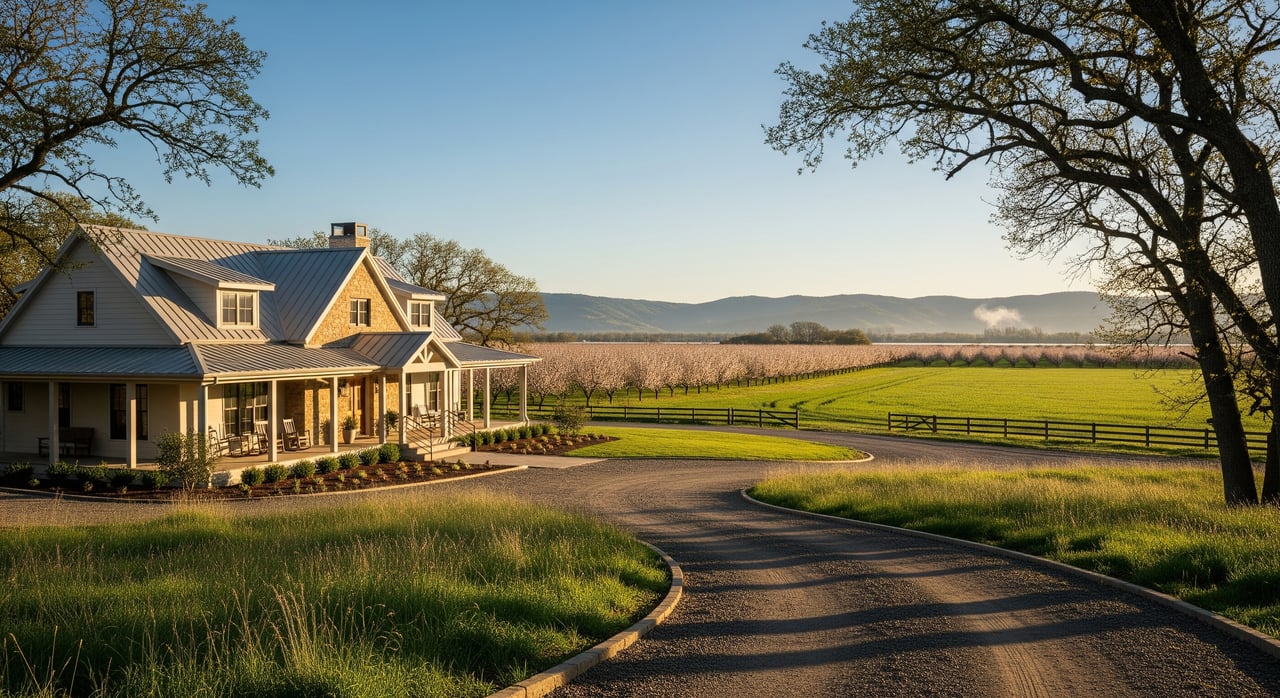
You will find fewer large subdivisions than in Sacramento and more single-family homes on bigger lots. Rural lifestyles are common, and many properties offer room for hobbies, gardens, or small livestock. County services are centralized in the main towns, and the county’s official site is a helpful starting point for departments and contacts on permits or taxes at the Colusa County official website.
Travel time and commuting
Expect a typical drive of about 1 to 1.5 hours between central Sacramento and most Colusa County towns, depending on your exact start and end points. Primary routes include I-5, CA-20, and CA-45, with rural farm roads linking towns to the freeway. Always test your precise route during peak hours and check live conditions using the Caltrans QuickMap.
Public transit within Colusa County is limited, and direct commuter service to Sacramento is not generally practical for daily trips. There is no direct passenger rail link to most county towns, and the nearest Amtrak stations are outside the county. Carpooling or hybrid work schedules can make the move more feasible.
Housing and property types
You will see four main property categories:
- Single-family homes in town
- Manufactured or modular homes on rural parcels
- Agricultural and ranch properties with larger acreage
- Vacant land for custom builds or hobby-farm use
Inventory is smaller than in a big metro, and fully turnkey homes can be limited at any given time. If you consider acreage or ag-related features, plan for additional due diligence. Lenders may underwrite differently for large parcels, wells, septic systems, outbuildings, or nonstandard improvements. Ask your lender early about loan programs and appraisal expectations for rural properties.
Utilities and connectivity
Many rural homes rely on private wells and septic systems. Town properties are more likely to have municipal water and sewer. Broadband and cellular service vary widely by address, so avoid assumptions if you work from home. Confirm service levels at the property using the FCC Broadband Map and by contacting local providers.
Schools, healthcare, and daily life
Colusa County has small school districts that serve local communities. Programs and enrollment policies vary by district, so verify specifics with the California Department of Education and the relevant district office.
Healthcare services are more limited than in Sacramento, especially for specialists. Many residents travel to larger cities like Sacramento, Chico, or Yuba City for major medical care. Plan your routes to clinics, hospitals, and emergency services ahead of time.
In daily life, you will find grocery stores and basic retail in towns like Colusa and Williams. For greater retail variety and nightlife, you will likely make occasional trips to Sacramento or other regional hubs. Community events, fairs, and seasonal activities are common and tend to be locally organized.
Outdoor recreation
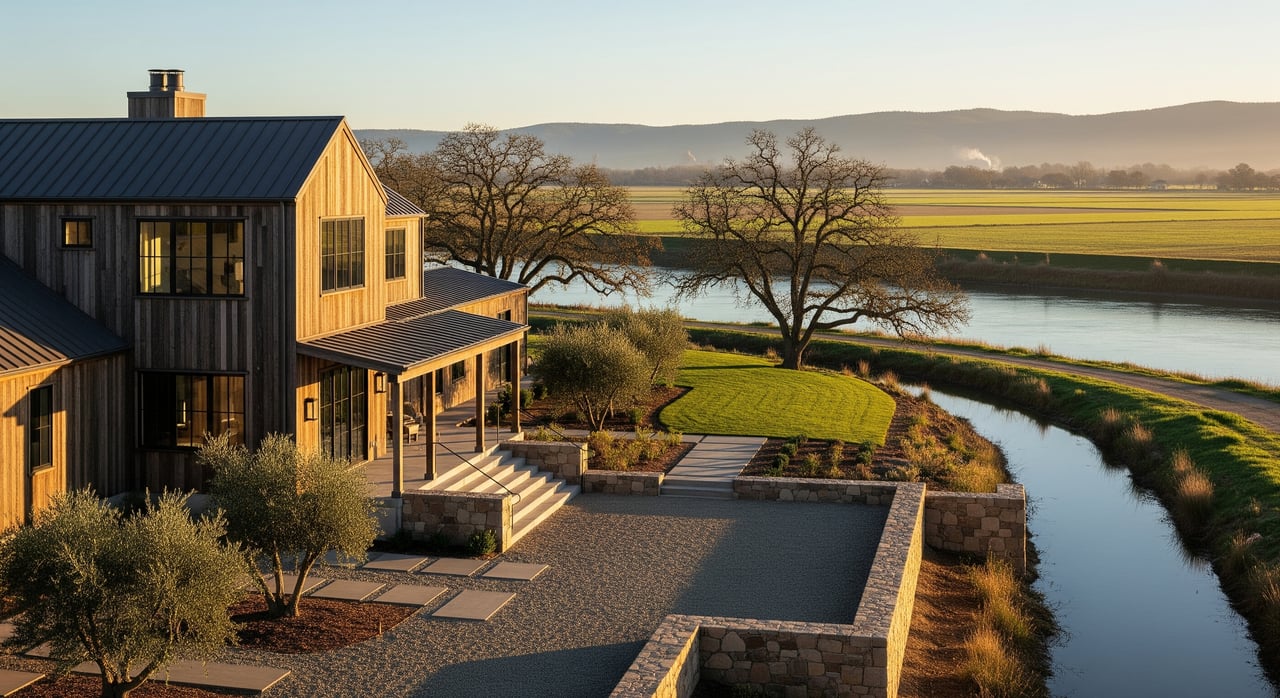
The Sacramento River and nearby wetlands offer fishing, boating, and abundant wildlife viewing. The Colusa National Wildlife Refuge is a local favorite for birding and seasonal waterfowl. You can reach foothill and coastal range destinations for day trips, depending on where you live in the county.
Smart commute planning
- Drive your exact route during your typical morning and evening commute times.
- Track roundtrip costs, including fuel, tires, and maintenance over the year.
- Watch for seasonal slowdowns, such as flooding in low-lying areas or farm equipment on rural roads.
- Confirm employer flexibility for hybrid or remote work, which can significantly improve your quality of life.
Taxes, zoning, and land-use details
California property tax rules apply, with local assessments that vary by area. For parcel-specific questions, start with the Assessor and Planning pages via the Colusa County official website. Agricultural properties may be enrolled in land-use contracts like the Williamson Act, which can affect taxes and permitted uses. If you plan to farm, board animals, add outbuildings, or start a home-based business, confirm zoning and permitted uses with County Planning before you buy.
Water rights and irrigation district assessments are important in agricultural zones. Groundwater sustainability rules under SGMA are evolving by basin. Discuss these items with your agent, your lender, and the county to understand how they apply to a specific property.
Practical relocation checklist
Use this checklist to organize your move from Sacramento to Colusa County:
- Verify current inventory and recent sales with your local MLS via your agent.
- Confirm commute times by driving routes at peak hours; monitor the Caltrans QuickMap for real-time updates.
- Check broadband and cellular coverage at the exact address using the FCC Broadband Map and by calling local ISPs.
- Review property tax and assessments through the Assessor’s office links at the Colusa County official website.
- Check flood risk with the FEMA Flood Map Service Center and ask your insurance agent about requirements.
- For rural parcels, confirm well and septic status, request well logs and septic permits, and plan for specialist inspections.
- Ask County Planning about zoning, accessory uses, agriculture, or business plans.
- Ask about Williamson Act or other ag preservation contracts tied to the parcel.
- Confirm school boundaries and enrollment steps with district offices and review data on the California Department of Education.
- Identify nearest hospitals and clinics, plus expected drive times.
- Check seasonal environmental factors like wildfire smoke and agricultural dust.
Documents to request early
- Seller disclosures and MLS reports
- Recent utility bills
- Septic permits and well reports
- Surveys, parcel maps, easements, and right-of-way documentation
How to tour efficiently
Plan your scouting trips in logical loops to save time. For example, start with Williams and Arbuckle, then continue to Colusa and Maxwell. Book mid-week showings to see town services in action, and schedule at least one weekend visit to gauge community life.
Bring a short property checklist:
- Test cell signal and ask about internet providers and speeds
- Verify well and septic details and plan inspections if you are serious
- Note distances to schools, clinics, grocery stores, and highway access
- Drive your likely commute route during your visit if timing allows
A local agent can coordinate back-to-back showings, secure access to rural parcels, and streamline disclosures so you can compare options quickly.
Work with a local expert
Moving from a metro to a rural county is exciting, but the details matter. You will want guidance on wells and septic, zoning and permitted uses, broadband realities, and realistic commute planning. If you are considering a home in town, acreage, or an ag property, work with a professional who lives the market daily.
If you are ready to explore Colusa County, reach out to Amber W. Torres. Amber combines deep local knowledge with a marketing-forward approach to help you find the right fit and move with confidence.
FAQs
How long is the commute from Colusa County to Sacramento?
- Most drivers should expect about 1 to 1.5 hours each way depending on exact start and end points, traffic, and route. Test your drive during peak hours and use the Caltrans QuickMap for live conditions.
What housing types are common in Colusa County?
- You will see single-family homes in town, manufactured homes on rural lots, larger agricultural or ranch parcels, and vacant land suitable for custom builds or hobby farming.
Are there reliable internet options for remote work?
- Availability varies by address. Confirm providers and speeds using the FCC Broadband Map and by contacting ISPs before you write an offer.
How should I check flood risk before buying?
- Look up the property on the FEMA Flood Map Service Center and ask your insurance agent about coverage requirements. Your agent can also help you review seller disclosures and local records.
What should I know about schools in Colusa County?
- Districts are smaller and program offerings vary by area. Review district information and statewide data through the California Department of Education and confirm enrollment steps directly with the district office.