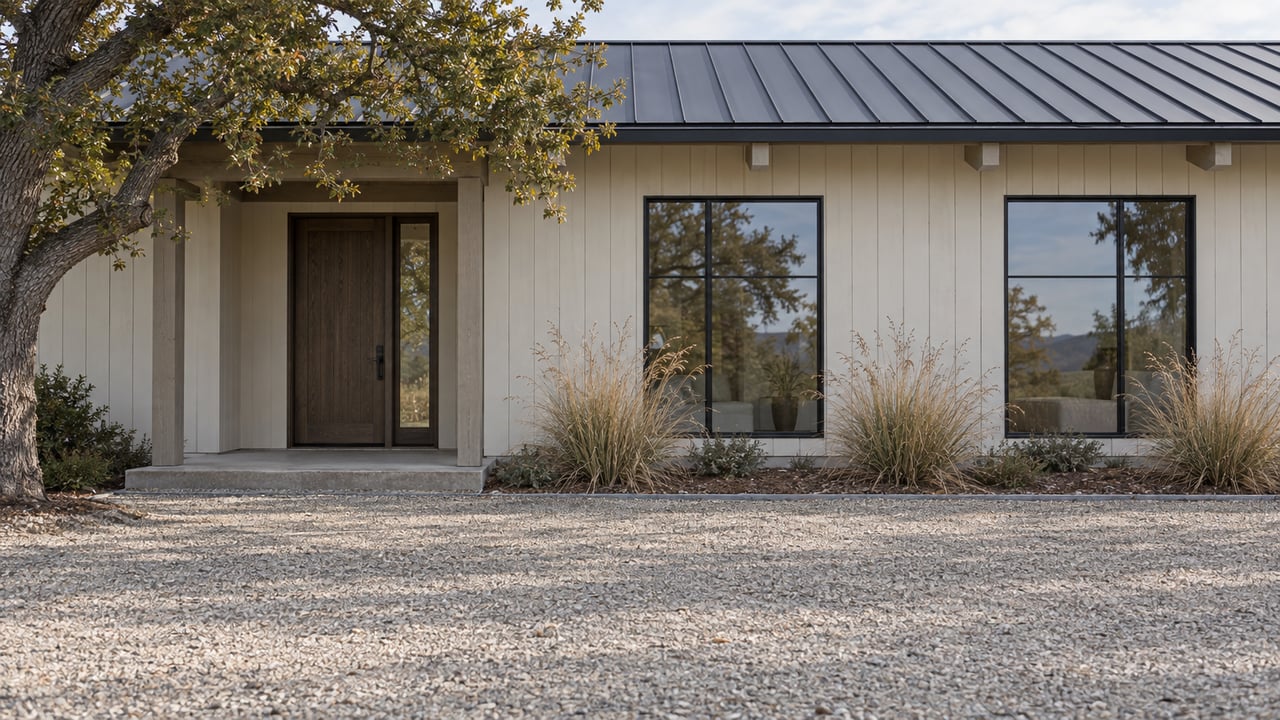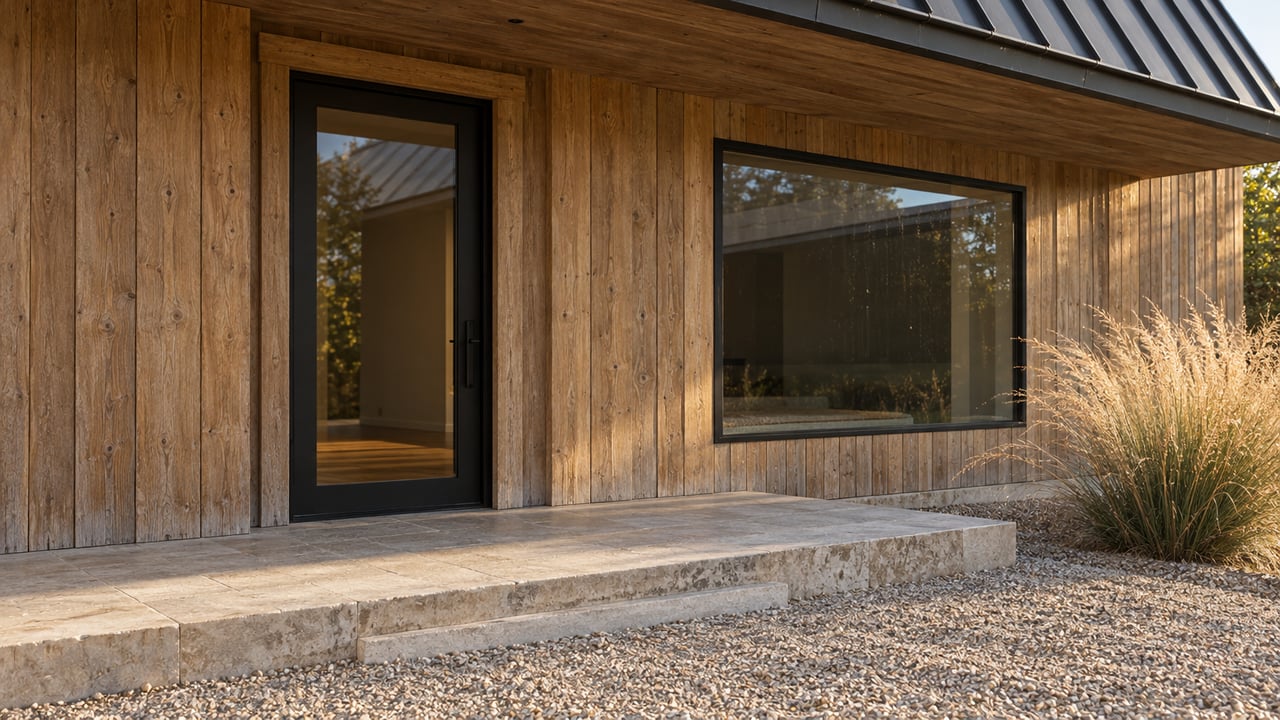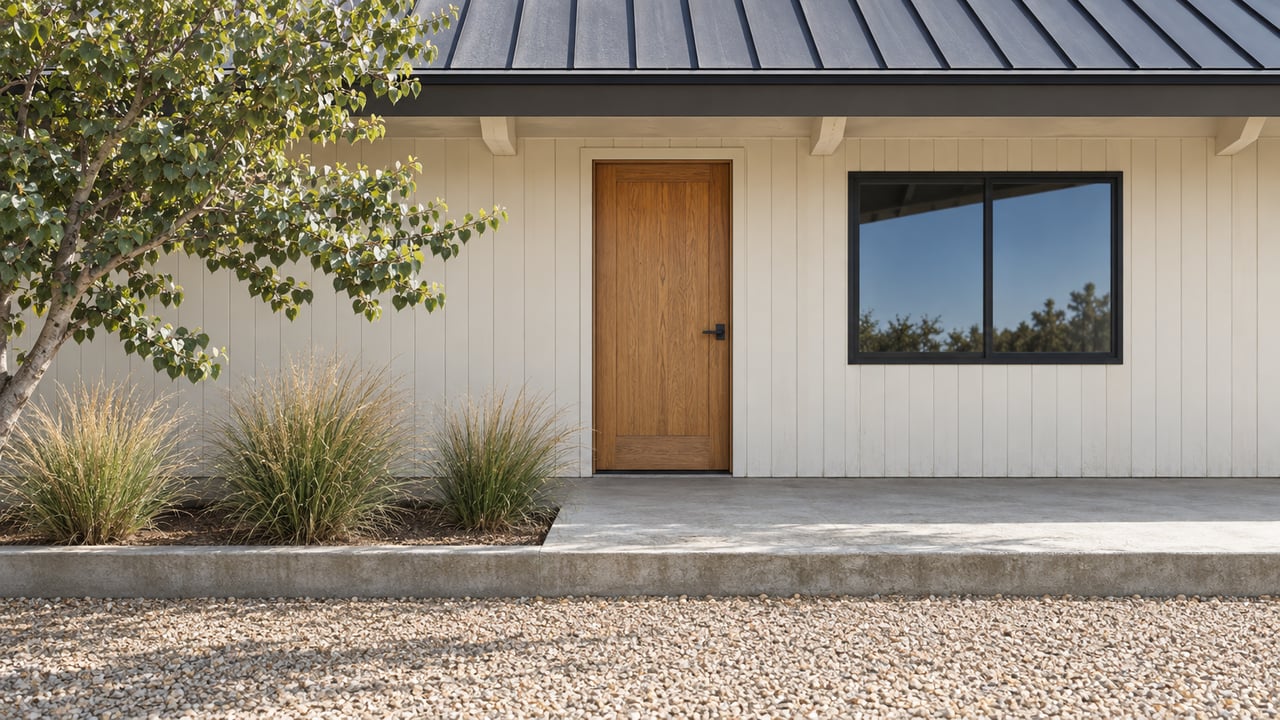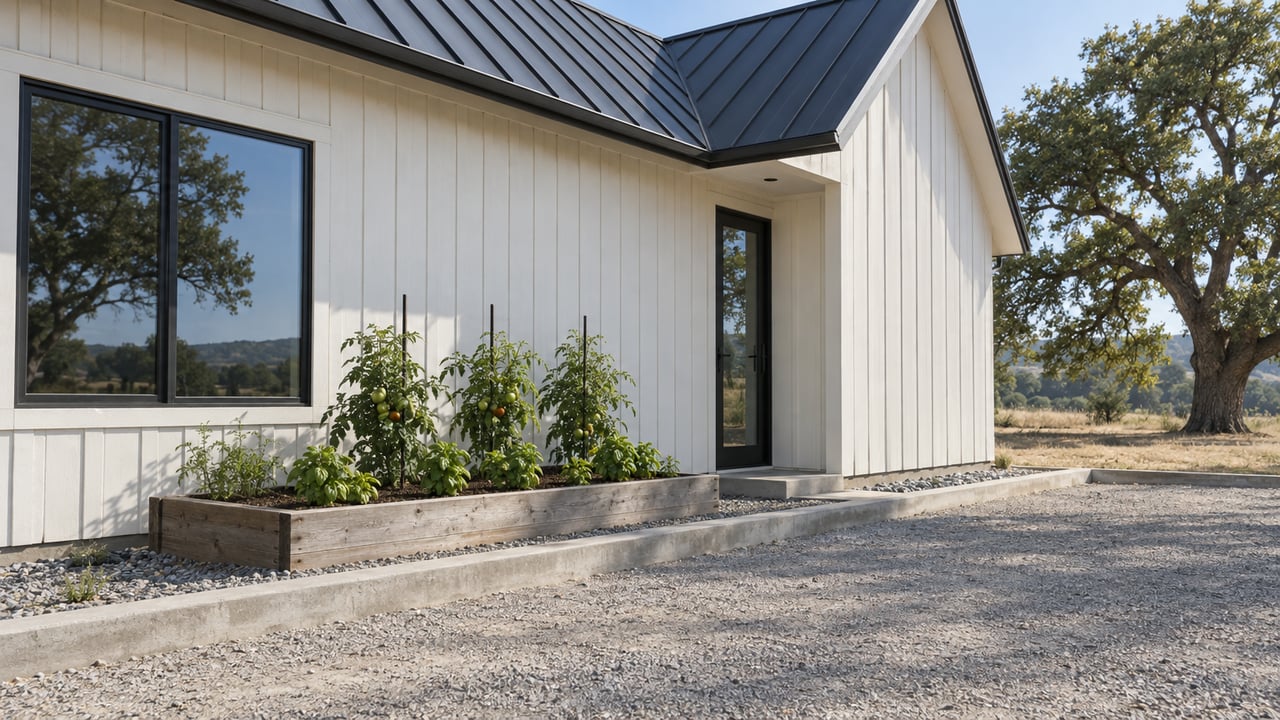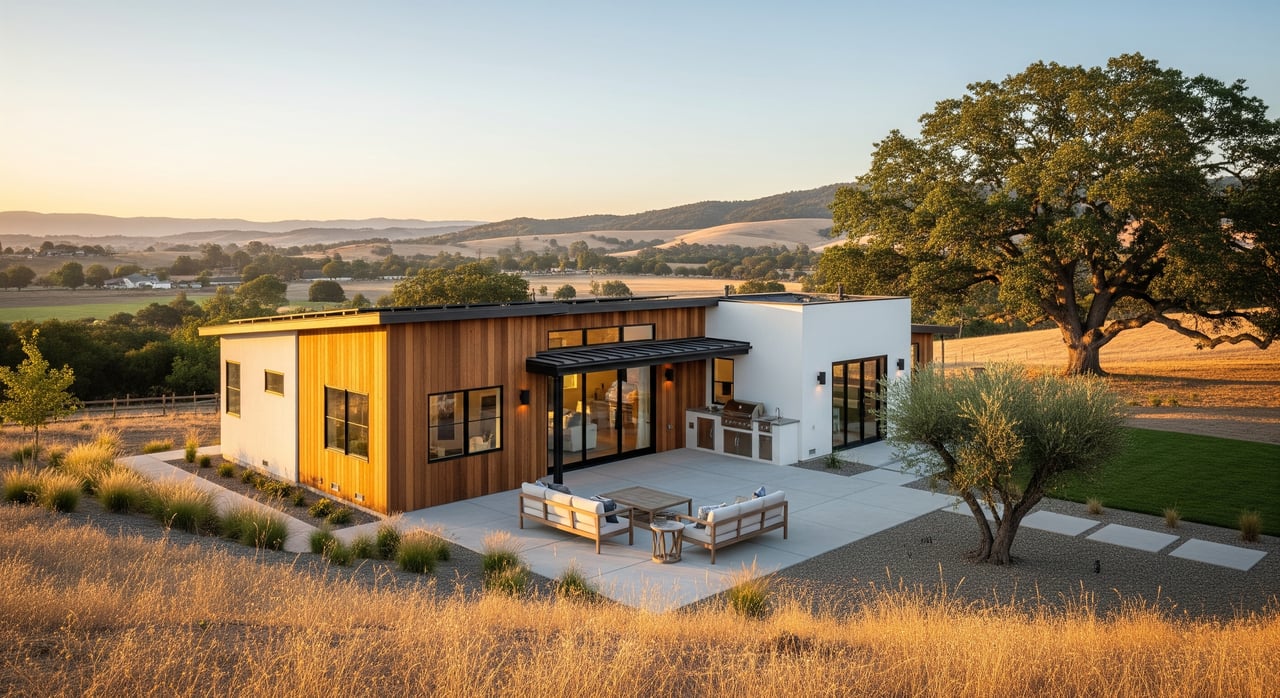
Thinking about adding an accessory dwelling unit to your Colusa County property to create space and steady income? You are not alone. Homeowners across California are using ADUs to house family, reduce housing costs, and build long-term rental income.
This guide gives you the essentials for Colusa County. You will learn how California’s ADU rules work, what local site checks to run, how to estimate costs and rent, and the practical steps to get from idea to keys. Let’s dive in.
Why build an ADU in Colusa County
An ADU can provide flexible living space for parents, adult children, or a caregiver while keeping privacy for everyone. It can also generate long-term rental income and add value to your property. In rural parts of the county, an ADU can help you use land more efficiently if utilities and site conditions allow it.
California ADU rules you should know
State law encourages ADUs and limits many local barriers, which helps speed up approvals for compliant projects. For current statewide guidance, review the California Department of Housing and Community Development’s ADU resources. You can start with the HCD overview of requirements and checklists found in the California Department of Housing and Community Development’s ADU guidance.
Ministerial approvals and timing
If your plans meet objective standards, your ADU is often eligible for ministerial approval. That means staff review without a public hearing and a defined review period measured in weeks. The goal is predictable and faster permitting when your submittal is complete.
Size, setbacks, parking, fees
ADUs come in several forms. A junior ADU is a small unit created within your existing home, typically up to 500 square feet in most guidance. Attached and detached ADUs can be larger and follow sizing rules set by state law and local code.
State rules commonly reduce side and rear yard setbacks for many ADUs to 4 feet, and they limit when extra parking is required. Impact and utility connection fees are often reduced or waived for smaller units such as those under 750 square feet, while larger ADUs may pay more. Always confirm the exact numbers with local planners before you design.
Owner occupancy and rentals
State law has limited local owner-occupancy requirements for many ADUs, which makes long-term renting more feasible. You still must follow California landlord-tenant laws and any local rental regulations. If you are considering short-term rental, verify local rules first since some areas regulate or restrict STRs.
For full state context and updates, review the California Department of Housing and Community Development’s ADU guidance.
Colusa County site realities
Every parcel is different. Before you sketch floor plans, look at these site factors that often drive timelines and cost in Colusa County.
Zoning and lot type
Many properties outside city limits are in agricultural or rural zones. Confirm that your zoning allows an ADU and whether agricultural or minimum-lot-size rules affect your plan. If your property is inside a city boundary, city rules may apply.
Septic, wells, and utilities
Rural homes often use a septic system and a private well. Adding an ADU can trigger a septic evaluation and possible upgrades, and you may need to verify well capacity. On older properties, electrical service may also need upgrades to handle another dwelling. If you are on municipal water and sewer, you will likely need capacity checks and may pay connection fees.
Floodplain and wildfire checks
Parts of Colusa County sit near rivers, creeks, or levees. If your site is in a mapped flood zone, plan for elevation, flood vents, or extra permits. Use the FEMA Flood Map Service Center to look up your parcel.
Wildfire risk also varies. If your property is in or near wildland areas, confirm defensible space and building requirements with your local fire authority. You can review statewide mapping and guidance in the Cal Fire Fire Hazard Severity Zones resources.
Short-term vs long-term rental
Long-term leases usually involve fewer regulatory steps than short-term rentals. If you want to use an ADU for short-term rental, check county or city rules for licensing, taxes, or zone restrictions before you design for STR use.
Cost-benefit made simple
Here is a straightforward way to test feasibility. Use local bids and current rent checks to refine your numbers.
- Confirm zoning and whether you are in a city or unincorporated area.
- Verify utilities. If on septic and a well, schedule evaluations early.
- Get the local standards. Size limits, setbacks, height, parking, and fees.
- Collect two or three contractor estimates, including site work and utility upgrades.
- Estimate rent using current local listings by unit type and expected occupancy.
- Include operating costs like insurance, maintenance, taxes, and vacancy.
- If financing, price the loan and compare to projected net income.
Example scenarios to compare
These examples are illustrative. Always replace with local bids and current rent data.
Scenario A: Junior ADU conversion within your existing home
- Size: about 350 square feet.
- Project cost: roughly 20,000 to 80,000 dollars depending on upgrades.
- Example rent: if 900 dollars per month, gross is about 10,800 dollars per year.
- Simple payback: project cost divided by annual gross equals years to recover costs before expenses and taxes.
Scenario B: Detached ADU around 600 square feet
- Build cost: roughly 150 to 350 dollars per square foot, plus site work and any septic or utility upgrades.
- Total build range: about 90,000 to 210,000 dollars plus site costs.
- Example rent: 1,200 to 1,500 dollars per month depending on unit and location.
- Return: subtract operating costs to estimate net operating income, then compare to your cash in or loan payments.
Scenario C: Larger ADU 900 to 1,200 square feet
- Higher build costs and possibly different fee treatment.
- Fits multigenerational living or higher rent targets.
- Requires more capital and longer timelines.
Smart design that pays off
Your goals will shape the plan. Focus on features that deliver comfort, safety, and lasting value.
Multigenerational living
If you plan to house family, prioritize a step-free entry, wider doorways, and an accessible bathroom. Decide whether you want a kitchenette or full kitchen and if laundry will be shared. Clear utility control and maintenance responsibilities reduce friction.
Long-term rental readiness
Plan for durable finishes, energy-efficient systems, and privacy between units. Set expectations for parking and outdoor areas. If you plan to self-manage, prepare screening, deposits, and a compliant lease.
Conversion vs detached
Converting a garage or interior space can be faster and more budget friendly. Detached ADUs offer more independence and rental potential but add site work and more permitting steps.
Accessibility and aging in place
Universal design features, like lever handles, zero-threshold showers, and main-level living, help the unit serve more people over time. These choices also support resale value.
Your step-by-step plan
Use this checklist to move from idea to action in Colusa County.
- Call the Colusa County Planning and Building Department to confirm zoning, size limits, setbacks, height, parking, and submittal requirements.
- Contact Environmental Health to schedule septic evaluations and well capacity checks if applicable.
- Check FEMA flood maps using the FEMA Flood Map Service Center and note any elevation or floodproofing needs.
- Ask your local fire authority or Cal Fire about defensible space and access requirements. Review mapping and guidance in the Cal Fire Fire Hazard Severity Zones resources.
- Review the California Department of Housing and Community Development’s ADU guidance for state rules and checklists.
- Gather a basic site plan and concept drawings. Include utility plans and any septic or well reports.
- Price the project with two or three ADU-experienced contractors. Include allowances for site work and utility upgrades.
- Confirm rental strategy. Long-term lease or STR, and the local rules that apply.
- Explore funding options such as cash, a home equity line or loan, a construction loan, or specialized ADU products. Ask local lenders about rural options.
- Build your team. Consider a designer, contractor, septic or well professional if needed, and legal or housing counsel before leasing.
Work with a local pro
An ADU can be a smart move in Colusa County if the site pencils out. You will get the best results by pairing state rules with local site checks, careful budgeting, and a rental plan that fits your goals. If you want help understanding local market rents, potential resale impact, or how an ADU might affect your property’s value and saleability, connect with a trusted local agent. Reach out to Amber W. Torres to talk through your plan and next steps.
FAQs
How does ADU approval work in California and Colusa County?
- Many ADUs that meet objective standards qualify for ministerial approval, which means staff review without public hearings and a defined review timeline. Confirm your exact process with the county, and review the California Department of Housing and Community Development’s ADU guidance for statewide context.
Can I rent an ADU in Colusa County long-term?
- State law generally supports long-term rentals of ADUs, although landlord-tenant laws and any local rental regulations still apply. Confirm details with local officials and review the California Department of Housing and Community Development’s ADU guidance for updates on owner-occupancy limits.
What if my property uses a septic system and well?
- Expect Environmental Health to evaluate septic capacity and well supply before approving an ADU. Undersized or failing systems can require upgrades, which can significantly affect cost and timing.
Are ADUs allowed on agricultural or rural parcels in Colusa County?
- Many rural parcels can accommodate an ADU, but zoning, minimum lot sizes, and agricultural use rules may shape what is allowed. Start with the county planner to confirm your parcel’s standards.
What flood and wildfire steps should I take before designing?
- Check your parcel in the FEMA Flood Map Service Center and review Cal Fire Fire Hazard Severity Zones resources. If your site is in a flood zone or wildfire interface, plan for elevation, defensible space, and any construction or access requirements before finalizing design.