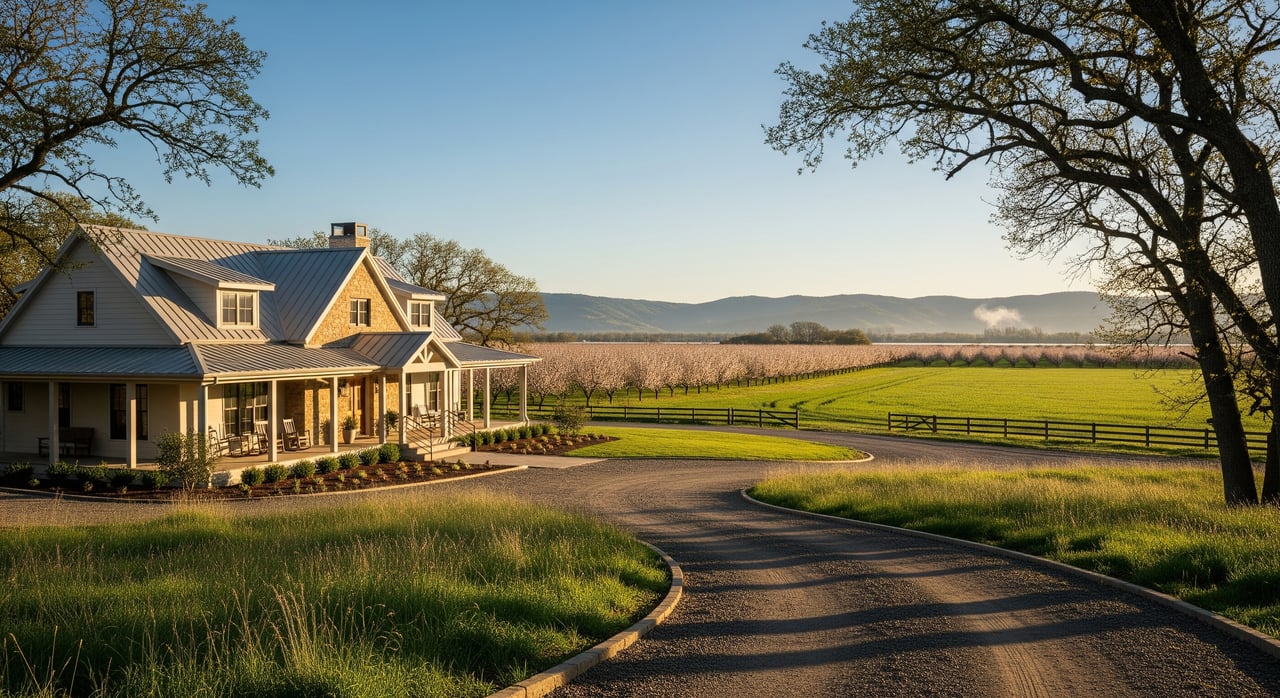
Thinking about selling your Colusa County home and wondering when the timing will help you net the most? You’re not alone. In a rural market shaped by agriculture, weather, and small-town rhythms, timing can make a real difference. In this guide, you’ll learn the best listing windows for Colusa County, a month-by-month plan, a rural seller checklist, and a realistic prep timeline so you can move with confidence. Let’s dive in.
Best months to sell in Colusa County
The strongest window to list in Colusa County is usually spring (March to May). A solid second window is late summer to early fall (late August to October). These seasons typically bring more active buyers, better curb appeal, and comfortable weather for showings. Always consider local conditions like harvest schedules, floodplain status, and current inventory before setting your date.
Why spring works
- Landscapes look their best after winter rains, which boosts first impressions.
- Buyer activity tends to rise as families start their home search and aim for summer closings.
- Temperatures are mild, making open houses and yard-focused marketing more effective.
Why late summer and fall can shine
- After vacations end, serious buyers return with renewed focus.
- Cooler evenings help with showings that avoid peak summer heat.
- If you missed spring, you can still capture motivated buyers before the holidays.
When winter can still work
- Inventory is often lower, which can reduce competition.
- Use winter to prep for a strong launch in early spring if you prefer not to list during the holidays or rainier weeks.
Month-by-month plan for Colusa County
Use this playbook to match your prep and listing steps to the local rhythm.
January
- Plan your strategy, interview and hire your agent, and order a preliminary title check.
- Schedule a pre-listing home inspection and get contractor estimates for repairs.
- Use the slower pace to prep cost-effectively.
February
- Complete repairs, declutter, deep clean, and touch up paint.
- Start landscaping improvements and fix irrigation while weather allows.
- Gather permits, disclosures, and records so you’re spring-ready.
March
- Final staging and professional photos in good weather.
- List mid to late March to catch rising buyer activity and peak curb appeal.
- Families often begin searching now.
April
- Host open houses and broker tours; focus on strong online marketing.
- Schedule showings on weekends for maximum exposure.
- Maintain yard freshness for photos and drive-bys.
May
- Keep momentum going and review pricing if interest softens.
- Watch for competing listings and adjust your strategy if needed.
- Stay on top of lawn care as temperatures climb.
June
- Offer evening showings to avoid daytime heat.
- Maintain irrigation and shade for comfort during tours.
- Expect activity to be moderate as vacations begin.
July
- Anticipate slower weekends due to travel and heat.
- Stay active with motivated buyers and keep the property looking its best.
- Be flexible on showing times.
August
- Refresh landscaping and consider updated photos if needed.
- List in late August to catch back-to-school and pre-fall buyers.
- Coordinate around any early harvest work that may affect access.
September
- A strong time to list or relaunch your property.
- Highlight cooler weather and flexible closing timelines.
- Engage serious buyers returning after summer.
October
- Keep showings flexible and target buyers aiming to close before winter.
- Emphasize energy efficiency and comfort features.
- Leverage fall visuals for warm curb appeal.
November
- Consider pausing large marketing pushes around Thanksgiving unless you have a strong lead.
- Stage with a neutral, seasonal look without heavy holiday themes.
- Focus on serious, ready-to-move buyers.
December
- Expect limited activity; use this time for pricing strategy and prep.
- Plan for a January or February refresh if you’re aiming for spring.
- Some motivated buyers still act when inventory is sparse.
Property-type timing tips
In-town single-family homes
- Spring is your best bet for strong curb appeal and buyer traffic.
- Late August through October offers a solid second chance if you miss spring.
- Keep showings flexible and the lawn green as the heat rises.
Acreage, ranch, and agricultural parcels
- Coordinate carefully with planting and harvest cycles to ensure access and clean presentation.
- Allow extra time for well, septic, boundary, and water-rights documentation.
- Market to lifestyle and agricultural buyers who often travel more in spring and fall.
Properties in floodplain or near levees
- Avoid listing when yards or fields are waterlogged if that’s a seasonal condition.
- Plan exterior photos when access and visuals are clear and accurate.
- Ensure flood-zone status and related disclosures are prepared early.
Your market-readiness timeline
Plan your lead time based on the scope of work and property type.
- 1 to 2 weeks: Strategy meeting with your agent, order disclosures, pull property records, and schedule photography.
- 2 to 4 weeks: Small repairs, paint touch-ups, deep clean, decluttering, minor landscaping, and staging.
- 3 to 8 weeks: Larger repairs or rural reports such as roofing, HVAC, septic or well work; line up permits as needed.
- 1 week pre-list: Final landscaping, staging setup, and photo scheduling at the best light.
- Photo day to live: Aim to list within a week of photos so images match current condition.
Rural seller checklist
Use this quick list to avoid delays and surprises.
- Well and septic: Pump tests, inspection reports, and any repair documentation.
- Boundaries and access: Surveys, recorded easements, and clear driveway terms.
- Water rights and irrigation: District information, water delivery details, and any agreements.
- Flood and natural hazards: Required disclosures and maps as applicable.
- Operational context: Crop history or soil information if relevant to buyer use.
- Records: Utility bills, tax statements, permit history, and any HOA or landowner agreements.
Showing and photo timing
- Schedule exterior photos when landscaping looks fresh and fields are accessible.
- In summer, favor evening showings for comfort and better light.
- If harvest creates dust, noise, or access limits, coordinate showings around it and disclose seasonal conditions as needed.
How a local pro adds value
In a small, rural market, timing and presentation carry extra weight. You want an advisor who understands agriculture, floodplain impacts, and the slower-but-serious buyer pool that defines Colusa County. A marketing-forward plan, strong listing presentation, and broad online exposure help you reach both local and out-of-area buyers.
With deep Colusa County experience, boutique-level service, and national brokerage tools, Amber delivers hands-on guidance from pricing and prep to negotiations and closing. If you need help coordinating vendors, rural inspections, or a timeline built around your crop or work schedule, you’ll have a clear plan from day one.
Ready to choose the right month and make a confident move? Reach out to Amber W. Torres to Request Your Free Home Valuation and a custom timing strategy for your property.
FAQs
What is the best month to list a home in Colusa County?
- Spring, typically March to May, is the top window, with late August to September as a strong second option. Adjust for harvest schedules, flood conditions, and current inventory.
How long does it take to prepare a Colusa County home for sale?
- Most sellers should plan 3 to 8 weeks, depending on repairs, staging, and whether rural reports like well and septic are needed.
Is it okay to sell during harvest season in Colusa County?
- Yes, but coordinate showings around operations. Harvest can affect access, create noise or dust, and impact curb appeal, so plan and disclose seasonal conditions.
What special rural disclosures do Colusa County sellers need?
- Common items include well and septic reports, flood-zone and natural hazard disclosures, any agricultural easements, and known water-rights or irrigation details.
When should I schedule listing photos for a Colusa County property?
- Photograph exteriors when landscaping looks its best and access is clear, often in spring or early fall. Avoid waterlogged fields unless that reflects year-round conditions that must be disclosed.