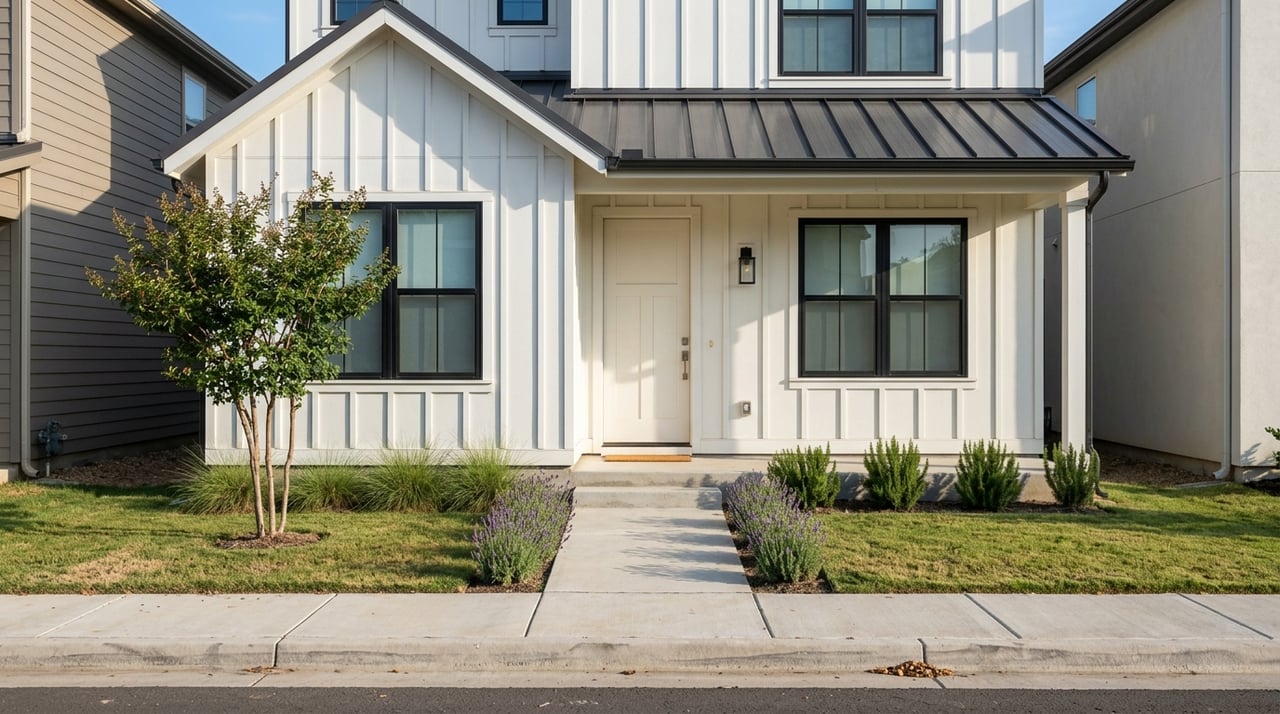
Trying to decide between a home in town and a place out in the country? In Colusa County, that choice can shape your daily routine just as much as the home itself. If you are weighing convenience against space, or lower-maintenance living against more privacy and land, this guide will help you sort through the trade-offs and focus on what matters most for your lifestyle. Let’s dive in.
Why this choice matters in Colusa County
Colusa County is a small market, with an estimated population of 22,074 in July 2024. It includes the incorporated cities of Colusa and Williams, along with unincorporated communities such as Arbuckle, College City, Grimes, Maxwell, Princeton, and Stonyford.
Because of that layout, buying here is often less about choosing between city and suburb and more about choosing between a compact community setting and a more rural parcel. The county is also about 70 miles north of Sacramento, which makes commute patterns and road access part of the decision for many buyers.
I-5 runs through the county, while State Routes 20 and 45 connect local communities and nearby regions. If you expect to travel often for work, errands, or appointments, where you live within the county can make a noticeable difference.
What in-town living usually looks like
In-town living in Colusa County typically means homes in or near Colusa, Williams, Arbuckle, Maxwell, Princeton, and Grimes. These are the places where community footprints are tighter and day-to-day services are generally easier to reach.
One practical advantage is infrastructure. The county housing element says community wastewater systems serve Colusa, Arbuckle, Maxwell, Princeton, and Williams, which can mean fewer private-system questions than you may face on a rural property.
Town-centered areas also tend to be where the county focuses infill, downtown activity, and pedestrian improvements. Colusa’s downtown core covers about 115 acres, and Williams’ designated downtown includes about 14 city blocks, showing how the county concentrates more compact development in these areas.
Benefits of living in town
If you want a simpler routine, in-town living often checks that box. You are more likely to have shorter trips for daily needs and less land to manage.
Colusa County Transit also serves several community locations, including Colusa, Williams, Arbuckle, Maxwell, Princeton, Grimes, Sites, and Stonyford. The county says it runs six buses each day, offers curb-to-curb service to the general public, and provides out-of-county medical transportation on an on-call basis.
That does not mean you can live here without a car in every situation. The county is still car-reliant overall, but in-town living can make the day-to-day schedule feel more manageable if you want easier access to community services.
Trade-offs of living in town
The biggest trade-off is usually space. While the research does not provide average lot sizes by area, county planning documents show that rural and outlying areas tend to align more with larger detached homes on bigger lots, while town areas are served by community systems and more compact development patterns.
That often means smaller yards and less privacy than you may find outside town. For some buyers, that is a plus because it can mean less upkeep. For others, it may feel limiting if you want more room for equipment, hobbies, or outdoor use.
What rural living usually looks like
Rural living in Colusa County usually means properties outside the more compact community areas. These homes may offer more land, more separation from neighbors, and a stronger country feel, but they also tend to come with more self-managed property systems.
The county states that rural residences and agricultural areas generally use on-site wastewater treatment, or septic systems. Planning documents also note that septic systems work well in lower-density areas where there is enough room to separate leach lines from wells and water lines.
Water access is another key factor. Some rural areas depend on on-site wells, and the county notes that new hookups or new wells can be limited by water availability in certain locations.
Benefits of rural living
For many buyers, the appeal is straightforward. You may get more privacy, more flexibility in how you use the land, and more room for gardens, equipment, outbuildings, or open space.
That preference shows up in the county’s overall housing pattern. In the 2019-2023 ACS profile, Colusa County had 8,157 housing units, and 81.4 percent were 1-unit detached homes. That tells you the local market already leans heavily toward detached housing rather than dense residential formats.
Rural housing can also include a mix of property types. The same profile shows 6.1 percent of the county’s housing units were mobile homes, which is a useful reminder that rural choices are not limited to one style or price point.
Trade-offs of rural living
The trade-off is usually more due diligence and more maintenance. If a property uses a well and septic system, you will want to understand how those systems work, what condition they are in, and whether the parcel supports your intended use.
County planning documents also note that slopes, floodplains, septic suitability, and water access can affect parcel feasibility and development potential. In some places, those issues may shape what you can realistically do with the land.
One example from the county is Century Ranch, where more than 800 vacant lots exist but water is not available for new residential lots. The county also notes many of those lots are under an acre and would need to be merged to support an on-site well, which shows why rural property research matters before you buy.
How commuting changes the equation
If your job, appointments, or regular errands take you outside your immediate area, the town-versus-rural decision can feel bigger than it looks on a map. Colusa County’s mean commute time was 24.2 minutes in 2024, and the county’s household data suggests most residents rely heavily on vehicles.
In fact, only 5.6 percent of occupied households had no vehicle, while 35.5 percent had three or more vehicles. That tells you driving is part of everyday life for many households here.
The county’s economic development plan also says nearly 2,000 workers commute out of Colusa County to jobs in other counties, mainly Glenn, Yolo, and Sutter. If that sounds like your situation, living closer to I-5, State Route 20, or State Route 45 may make your routine easier.
A simple way to think about drive time
If you are choosing a rural property, ask yourself how much extra driving you are comfortable with each week, not just each day. A few more minutes to work can also mean longer trips for groceries, appointments, services, and school activities.
If you prefer a lower-friction routine, an in-town location may be the better fit. If you value privacy and land more than convenience, the extra drive may feel worth it.
Which option fits your lifestyle?
There is no one-size-fits-all answer in Colusa County. The right choice depends on how you want to live and how much property responsibility you are prepared to take on.
In-town living may fit you best if you want:
- Shorter trips for daily errands and services
- Access to community wastewater systems in many town areas
- Some public transit access within the county system
- Less land to maintain
- A more manageable routine for commuting or appointments
Rural living may fit you best if you want:
- More privacy and separation
- More land for outdoor use or equipment
- A detached, land-oriented property style
- Flexibility for acreage-focused living
- A country setting and room to spread out
Key questions to ask before you buy
Whether you lean toward town or country, the smartest next step is asking the right property-specific questions. In Colusa County, these details often matter more than the label on the listing.
Ask these questions early
- Is the property connected to community sewer, or does it use septic?
- Is water supplied by a municipal source or an on-site well?
- Is the parcel large enough for your intended use?
- How much driving will your daily routine really require?
- Are there site conditions that could affect use, maintenance, or future plans?
These questions can quickly clarify whether a property truly matches your goals. They can also help you compare homes more realistically when one listing offers convenience and another offers more land.
The bottom line on Colusa County living
In Colusa County, choosing between in-town and rural living is mostly about balancing convenience with space. In-town living usually offers simpler infrastructure, easier access to service centers, and a more streamlined routine. Rural living often offers more privacy, more land, and a stronger country feel, but it also calls for more research and more hands-on ownership.
If you are not sure which path fits you best, a local guide can help you look beyond square footage and focus on the full picture, including roads, utilities, land use, and daily lifestyle. If you want help comparing homes in Colusa, Williams, Arbuckle, Maxwell, Princeton, Grimes, or the county’s outlying areas, reach out to Amber W. Torres for practical, local guidance.
FAQs
Which Colusa County areas feel most town-like?
- In Colusa County, the more town-like settings usually include Colusa, Williams, Arbuckle, Maxwell, Princeton, and Grimes, where community footprints are tighter and services are generally easier to reach.
Which Colusa County properties usually require wells and septic?
- Rural and agricultural properties outside the main community areas typically rely on on-site wells and septic systems rather than community utility systems.
How much driving is realistic from a rural Colusa County home?
- Colusa County is already vehicle-dependent, with a mean commute time of 24.2 minutes in 2024, so a rural home often means adding more drive time for work, errands, and appointments.
What kind of yard space and privacy can you expect in Colusa County?
- In-town homes usually offer less land to maintain, while rural properties often provide more space, more separation, and a stronger sense of privacy.
Which home types are most common in Colusa County?
- Detached homes are the most common housing type in Colusa County, with 81.4 percent of housing units counted as 1-unit detached in the 2019-2023 ACS profile.