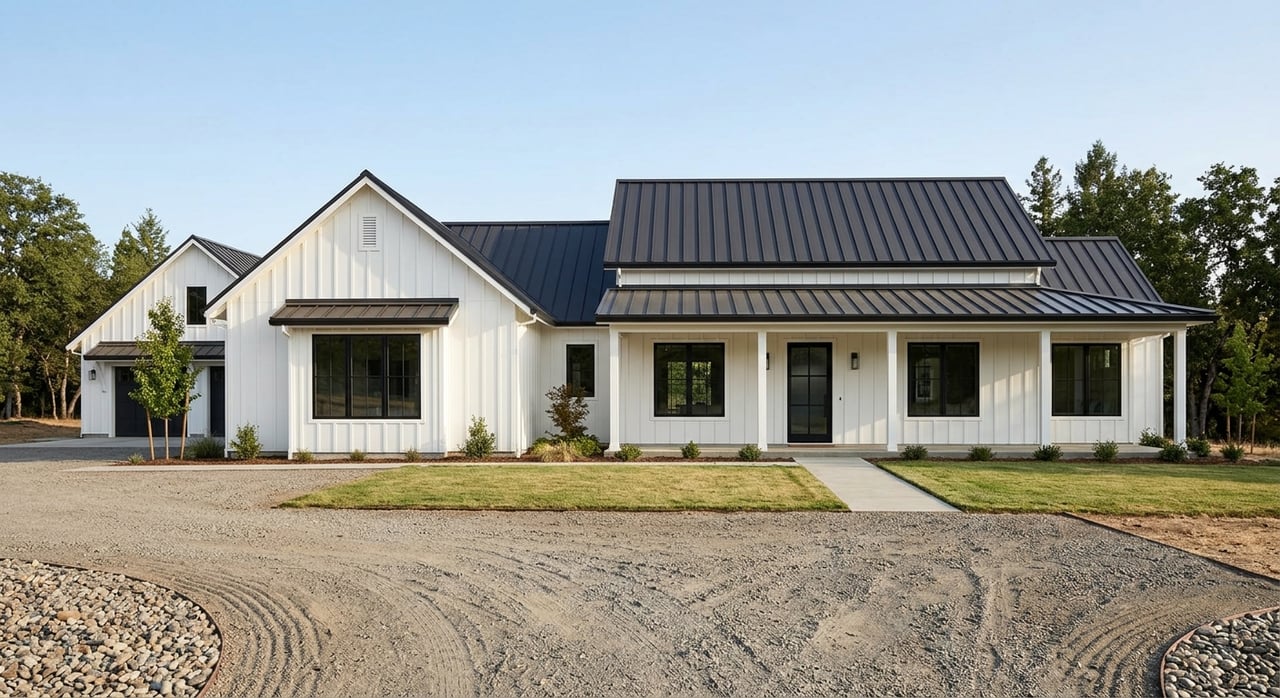
Dreaming about more space, quieter mornings, and room to actually use your land? In Colusa County, acreage living can offer exactly that, but it also comes with responsibilities that are easy to miss if you have only owned a home in town. If you are thinking about buying land or a home on a larger parcel here, it helps to understand both the lifestyle perks and the practical tradeoffs before you make a move. Let’s dive in.
Why acreage living feels different
Colusa County is rural even by California standards. The county had an estimated 22,074 residents in 2024, with about 19.0 people per square mile, and it sits about 70 miles north of Sacramento with Interstate 5 running north to south through the county. That low-density setting shapes daily life in a very real way.
On acreage, you usually get more separation from neighbors, more flexibility for outdoor projects, and more room for animals, equipment, gardens, or hobbies. In a county built around agriculture and agricultural-related business, that kind of lifestyle fits naturally into the landscape. At the same time, more space often means more property to manage and fewer nearby services than you might have on a town lot.
What draws buyers to acreage in Colusa County
For many buyers, the biggest appeal is simple: you get to live in a working rural environment instead of a more suburban one. Colusa County’s agricultural economy is active and visible, with major 2024 commodity value tied to almonds, rice, tomatoes, walnuts, cattle and calves, and other farm products. That gives the area a strong country identity that many buyers find refreshing.
Acreage can also support a more flexible lifestyle. You may have room for storage, outdoor equipment, gardening, or projects that would not work on a smaller lot. If you want open space and a property that feels more functional than decorative, larger parcels can be a strong fit.
Road access adds to that appeal. Colusa County Public Works maintains about 750 miles of roads and streets in unincorporated areas, which helps many rural properties stay connected to the rest of the county. Still, country living usually requires you to pay more attention to road conditions, closures, and seasonal changes than you would in a more urban setting.
Climate shapes the acreage lifestyle
The Southern Sacramento Valley has a mild, sunny climate with warm, dry summers and a winter rainy season. The National Weather Service notes that more than half of annual precipitation falls during winter, snow is rare, and dense fog is mostly a winter issue. That combination creates a lot of opportunity for outdoor living and land use through much of the year.
The flip side is that weather planning matters more on larger parcels. Heat, irrigation, drainage, and seasonal access all become part of the ownership picture. If you are considering acreage, it helps to think beyond the home itself and picture how the land functions through summer heat and winter rain.
The tradeoffs buyers should expect
Agriculture is part of daily life
In Colusa County, agriculture is not just scenery. It is an active industry, and that affects what it feels like to live on rural land. Depending on where a parcel sits, you may be near orchards, row crops, cattle operations, or other working agricultural uses.
That can be a benefit if you want an authentic country setting, but it also comes with realities that town buyers may not expect. The county maintains annual pesticide buffer-zone maps for sensitive crops, and agricultural burn permits are issued for activities like field burning, orchard prunings, brush piles, levees, ditch banks, fence lines, and pesticide bags or boxes. If you buy acreage here, it is smart to expect seasonal agricultural activity as part of normal life.
Water and wastewater need real attention
On rural property, water and wastewater are not small details. They are central parts of how the property works. Outside municipal sewer boundaries, Colusa County says onsite wastewater treatment systems are used almost exclusively, with about 1,800 systems countywide.
The county’s Environmental Health division also regulates water wells, and well drillers must notify the office 48 hours in advance for inspection. If a property depends on a private well and onsite wastewater system, you will want to understand both systems clearly before you close. On acreage, these are core due diligence items, not afterthoughts.
Groundwater matters long term
Private well properties can work very well, but groundwater should be treated as a long-term asset. Colusa County says the Sustainable Groundwater Management Act applies to the Colusa and Butte subbasins, and the Colusa Groundwater Authority serves as the local multi-agency Groundwater Sustainability Agency. The county also notes that groundwater levels are measured seasonally.
County hazard planning materials report that parts of eastern Colusa County have experienced lowered groundwater levels due to pumping and have also seen subsidence. That does not mean a well property is a bad choice. It does mean you should verify water information carefully and think about long-term reliability, not just current use.
Wildfire readiness is part of ownership
Wildfire is another important part of rural property ownership. A county hazard mitigation annex says wildfire risk in Colusa County ranges from Urban Unzoned to Very High and identifies wildfire as a likely hazard with high vulnerability. That makes emergency planning a practical part of owning acreage.
The county maintains an interactive evacuation-zone map and encourages residents to sign up for emergency alerts through RAVE Mobile Safety. For buyers, access, defensible space, and alert enrollment should be viewed as standard planning steps. They are part of responsible ownership in a rural setting.
Due diligence before you buy acreage
Check zoning early
Not all rural parcels are treated the same in Colusa County. The county includes zoning districts such as Agricultural Preserve, Exclusive Agriculture, and Rural Residential, among others. What you can do with a parcel may depend heavily on how it is zoned.
This is especially important if you think you may want to change or expand the property’s use later. The county’s rezoning process involves application, environmental review, agency review, public hearings, Planning Commission review, and Board of Supervisors review, and it generally takes six to eight months. Another county planning document states that the Exclusive Agriculture zone has a 40-acre minimum parcel size.
Review permits and site constraints
If you plan to build, remodel, or add improvements, permit review matters early in the process. Colusa County says building permits are reviewed for setback and use compliance, while Environmental Health reviews plot plans for health-related issues tied to wells and waste-disposal systems. Those steps can affect what is possible on a site.
The county also routes applications, inspections, and communication through an online permit portal. On a rural parcel, that makes reliable internet service more practical than many buyers first assume. If you will be working on the property after closing, connectivity can affect more than just streaming and email.
Think honestly about commute and access
A rural address can look manageable on paper but feel very different in real life. Census data show a countywide mean travel time to work of 24.2 minutes, but that is only an average. A parcel that sits farther from main roads can add time to everyday errands, work trips, and service calls.
That matters in a county where Interstate 5 and State Route 20 are key travel routes and where road conditions may change enough for the county to post daily road-closure updates. Before you buy, it is worth testing the drive to the places you expect to visit most often. A little extra distance may be worth it to you, but it should be a conscious choice.
Verify internet and phone service
Broadband is common in the county, but parcel-level service can vary. Census data show that 84.6% of Colusa County households report a broadband subscription. That figure is helpful, but it does not guarantee strong service at every remote property.
If you work from home, rely on video calls, use smart devices, or expect to manage permits online, verify service before closing. This is one of the most overlooked parts of acreage buying, and it can have a real impact on your daily life.
Who acreage living fits best
Acreage can be a great fit if you want more privacy, more usable outdoor space, and a lifestyle that feels tied to the land. It can also make sense if you are comfortable being more hands-on with maintenance, access, utilities, and emergency planning. The right property often comes down to how well the parcel matches your goals, not just how attractive it looks during a showing.
In Colusa County, parcel differences matter. Zoning, water systems, road access, internet availability, and improvement potential can vary a lot from one property to the next. That is why buying acreage usually calls for a more detailed evaluation than buying a typical in-town home.
If you are comparing rural properties in Colusa County and want help sorting through zoning, water, access, and overall fit, working with a local agent who understands acreage can save you time and help you avoid expensive surprises. When you are ready to talk through your options, connect with Amber W. Torres.
FAQs
What is acreage living like in Colusa County?
- Acreage living in Colusa County usually means more space, more privacy, and more flexibility for outdoor use, but also more hands-on responsibility for things like access, utilities, and land management.
What should buyers check before buying acreage in Colusa County?
- Buyers should check zoning, water and wastewater systems, road access, commute time, permit requirements, and parcel-level internet or phone service before closing.
Are wells and septic systems common on Colusa County acreage?
- Yes. Outside municipal sewer boundaries, onsite wastewater treatment systems are used almost exclusively, and private well oversight is handled through the county’s Environmental Health division.
Does agriculture affect daily life on rural property in Colusa County?
- Yes. Many acreage properties are near active agricultural operations, which can bring seasonal activity related to farming, pesticide buffer zones, and agricultural burn practices.
Is wildfire planning important for acreage owners in Colusa County?
- Yes. County hazard planning identifies wildfire as a likely hazard, so buyers should pay attention to evacuation zones, emergency alerts, access, and defensible space.
How does zoning affect acreage in Colusa County?
- Zoning affects what you can do with a parcel, and Colusa County has multiple rural zoning districts. Some uses or future changes may require a lengthy county review process, and the Exclusive Agriculture zone has a 40-acre minimum parcel size.