Buying your first home in Colusa County can feel exciting and a little overwhelming at the same time. You are not just picking a house. You are also learning budgets, loan options, inspections, disclosures, and timelines in a rural market where most homes are existing detached properties. This guide will walk you through what to expect, what to plan for, and how to move forward with more confidence. Let’s dive in.
Understand the Colusa County market
Colusa County is a small, rural housing market with 8,304 housing units spread across more than 1,150 square miles. The county has a population density of 19 people per square mile, which gives many buyers a very different home search experience than they would find in a larger city.
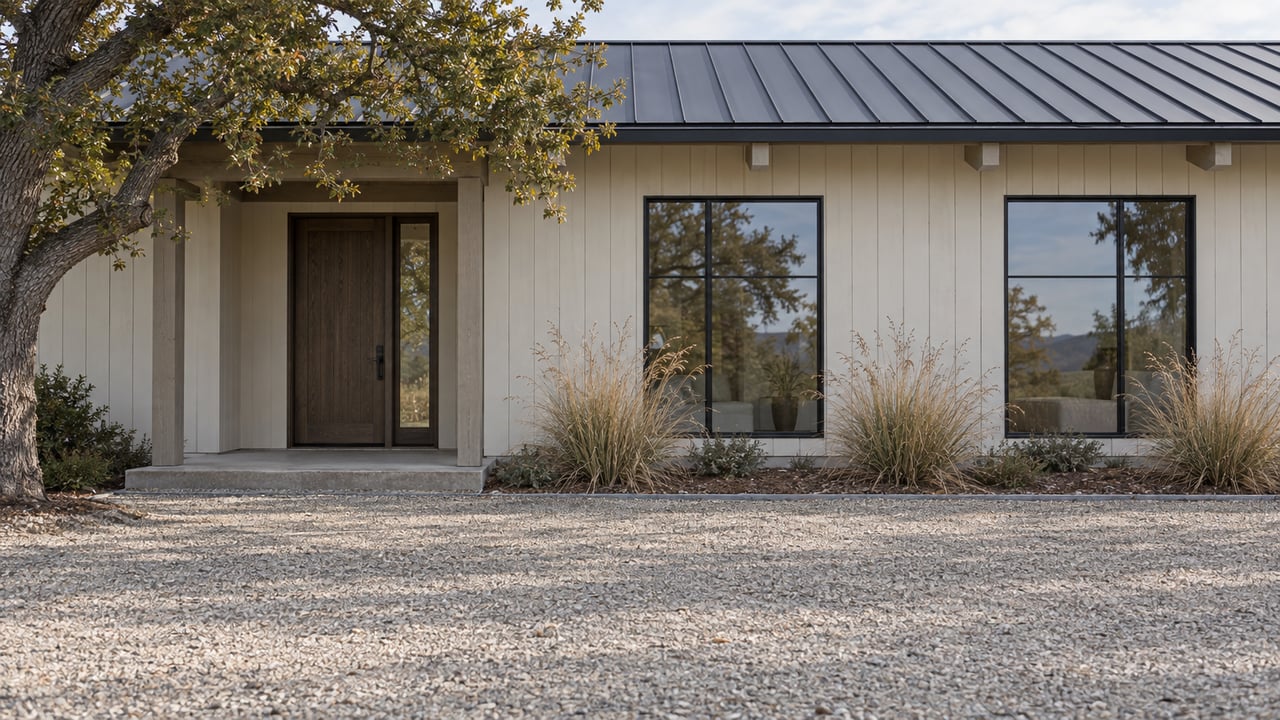
For first-time buyers, the biggest takeaway is that most of the housing stock is made up of detached homes. About 81.4% of homes are 1-unit detached, and 6.1% are mobile homes. New construction has been limited, with 18 single-family permits and 35 multifamily permits reported in 2024, so you will likely spend most of your search looking at resale homes rather than brand-new inventory.
That matters because older or existing homes can come with maintenance needs, property-specific questions, and more due diligence. In a market like Colusa County, being prepared before you shop can make a real difference.
Know what homeownership may cost
A first home is not just about the purchase price. It is also about what fits your monthly life comfortably.
In the 2020-2024 Census estimates, Colusa County’s median owner-occupied home value was $393,400. Median monthly owner costs with a mortgage were $2,048, compared with a median gross rent of $1,157. Median household income was $75,672, and the owner-occupied housing rate was 62.2%.
Those numbers show why budgeting matters so much. Owning can help you build equity over time, but your monthly housing costs may rise compared with renting. Beyond principal and interest, homeowners also need to plan for property taxes, insurance, repairs, and any HOA dues that may apply.
Build a realistic first-time buyer budget
Before you start touring homes, decide what monthly payment feels sustainable for you. That number should leave room for daily living, savings, and the regular surprises that come with owning a home.
A simple way to think about your budget is to include:
- Estimated mortgage payment
- Property taxes
- Homeowners insurance
- Utilities
- Maintenance and repair savings
- HOA dues, if the property has them
- Closing costs and upfront cash needs
In Colusa County, where many buyers will be looking at existing detached homes, repair planning matters. Even if a home is in solid condition, you will want some breathing room in your budget after closing.
Get preapproved early
Once you know your comfort range, the next step is preapproval. A preapproval letter is a lender’s tentative statement that it is willing to lend up to a certain amount, and it can help show sellers that you are serious.
Preapproval is helpful, but it is not the same as final loan approval. It also usually expires in about 30 to 60 days, so timing matters. If your home search stretches out, you may need an updated letter.
Getting preapproved early can help you in three ways:
- You understand your likely price range
- You can move faster when the right home appears
- Your offer may look stronger to a seller
Explore first-time buyer loan options
If you are worried about upfront cash, you are not alone. Many first-time buyers assume they need a large down payment, but that depends on the loan program and your eligibility.
CalHFA programs for California buyers
CalHFA is one of the key places to start if you are buying your first home in California. CalHFA defines a first-time homebuyer as someone who has not owned and occupied a home in the last three years. You will work through a CalHFA-approved lender because CalHFA does not accept applications directly.
CalHFA also requires homebuyer education and counseling for first-time buyers using its programs. That step can be useful because it helps you better understand the financial side of buying before you get too far into the process.
CalHFA offers first mortgage and junior loan options, including down payment and closing cost help. Through the MyHome Assistance Program, eligible buyers may be able to receive a deferred-payment junior loan of up to the lesser of 3.5% of the purchase price or appraised value for FHA loans, or up to the lesser of 3% for conventional loans. That subordinate assistance is deferred until the home is sold, refinanced, or paid off.
USDA financing in rural areas
Because Colusa County is rural, USDA financing may also be worth asking about. USDA Rural Development says its Single Family Housing Guaranteed Loan Program supports eligible rural areas, can offer 100% financing for qualifying borrowers, and requires the home to be your primary residence.
Eligibility is address-specific, so not every property will qualify. Income limits also apply, and applicants generally cannot exceed 115% of the area median household income for this program. An approved lender handles the application process, so this is a good question to raise early when you talk with lenders.
Start your home search with local focus
Once your financing plan is taking shape, you can start searching with more clarity. In Colusa County, that often means balancing price, property condition, lot size, and location with your commute, lifestyle, and long-term plans.
Since the market is heavily made up of detached homes and has modest new supply, flexibility can help. You may find that the best fit is an existing home that checks most of your boxes, even if it needs a few updates over time.
This is also where local guidance matters. In a county with rural properties, mobile homes, and varied parcel characteristics, details like permit history, utility setup, and property-specific conditions can become important quickly.
Make a strong, informed offer
When you find a home you want, your preapproval letter helps support your offer. It shows that you have taken an important financing step, but remember that it is still only tentative.
After your offer is accepted, that is when loan comparison gets more specific. You can compare official Loan Estimates from lenders and look closely at rates, fees, and terms before choosing the loan that fits you best.
A strong offer is not always just the highest number. Clear terms, realistic timelines, and being prepared with documents can also help keep the transaction moving smoothly.
Plan for inspections and appraisal
Two of the most important steps after your offer is accepted are the home inspection and the appraisal. They are not the same thing, and buyers generally need both.
What the inspection does
A home inspection is meant to identify physical issues with the property. It helps you better understand the home’s condition and decide whether you want to move forward, ask for repairs, or renegotiate depending on the terms of the contract.
In a market where many first-time buyers will purchase existing homes, scheduling the inspection as soon as possible is a smart move. The sooner you understand the property’s condition, the more informed your next decisions will be.
What the appraisal does
An appraisal is typically ordered by the lender. It is an independent written opinion of value tied to the loan, and lenders may require and charge for it.
You should receive a copy of the appraisal and similar valuations no later than three days before closing. If the appraisal comes in lower than expected, you may be able to renegotiate the price or ask the lender for clarification and review.
Understand California disclosures
California buyers should expect a substantial amount of disclosure paperwork. These documents are an important part of your due diligence and should be reviewed carefully.
According to the California Department of Real Estate, buyers are entitled to disclosures that include the Transfer Disclosure Statement and the Agency Relationship Disclosure. The buyer’s agent is also responsible for conducting a visual inspection and disclosing readily observable defects.
You may also receive natural hazard disclosures. The California Geological Survey says sellers must provide a Natural Hazard Disclosure Statement when a property lies in mapped hazard areas. Depending on the property, that framework can include earthquake fault zones, seismic hazard zones, and other mapped hazard areas.
Watch the timeline from contract to closing
For a financed purchase, a practical expectation is about 30 to 60 days from contract to closing, assuming no major repair or underwriting delays. In western states like California, the closing process is often coordinated by an escrow or title company that prepares documents and records them with the county.
There is also an important timing rule near the end of the process. Lenders must provide the Closing Disclosure at least three business days before closing, which gives you time to review your final loan terms and costs.
In a market like Colusa County, where inventory can be limited and many homes are resale properties, staying organized can save time. Having your lender documents, questions, and inspection scheduling ready can help reduce delays.
Use local resources for property questions
Some homes raise questions that go beyond what you see during a showing. That is especially true with rural properties, older homes, or parcels with unique features.
For county-level questions about planning, building, environmental health, water resources, or permit verification, Colusa County’s Community Development Department is the practical local starting point. If a property needs additional review before closing, checking early can help you avoid surprises later.
Tips for first-time buyers in Colusa County
If you want to keep your purchase on track, focus on the basics first. The buyers who feel the most confident are usually the ones who prepare before they fall in love with a house.
Here are a few smart habits to follow:
- Set a monthly budget before you shop
- Get preapproved before making offers
- Ask your lender about CalHFA and USDA options
- Schedule your inspection quickly after acceptance
- Read disclosures carefully
- Review the appraisal as soon as you receive it
- Leave room in your budget for repairs and moving costs
- Ask local questions early when a property has rural or parcel-specific details
Your first home can start with a clear plan
Buying your first home in Colusa County does not have to feel confusing when you break it into steps. The local market is largely made up of existing detached homes, which means preparation, budgeting, and careful due diligence matter just as much as finding the right address.
If you want local guidance from the start, Amber W. Torres can help you understand the process, focus your search, and move forward with confidence in Colusa County.
FAQs
How much down payment do first-time buyers need in Colusa County?
- It depends on the loan program, but eligible buyers may find lower upfront cash options through CalHFA or USDA financing.
How long does it take to buy a home in Colusa County?
- For a financed purchase, a practical expectation is about 30 to 60 days from contract to closing if there are no major underwriting or repair delays.
Do first-time buyers in California need both an inspection and an appraisal?
- Yes. The inspection looks at the home’s physical condition, while the appraisal is a lender-related opinion of value.
What happens if a home appraisal comes in low in Colusa County?
- You may be able to renegotiate the price or ask the lender for clarification and review of the appraisal.
What disclosures should first-time buyers expect in California?
- Buyers should expect disclosures that can include the Transfer Disclosure Statement, the Agency Relationship Disclosure, and natural hazard disclosures when applicable.