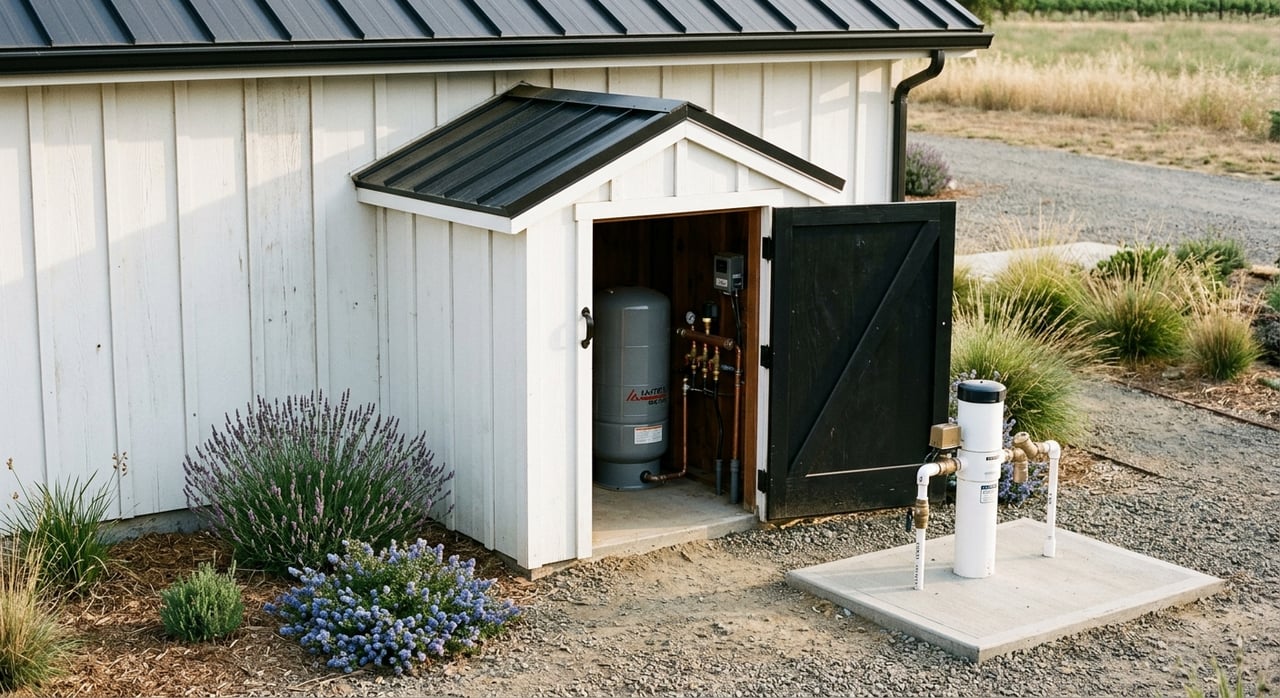
Buying a rural property in Colusa County can feel exciting right up until you realize the house may come with its own water source, wastewater system, and site constraints underground. If you are looking at acreage, country homes, or out-of-town properties, you need more than a standard home tour to feel confident. This guide will help you understand wells, septic systems, and other rural infrastructure issues that matter before you buy, so you can ask better questions and avoid surprises. Let’s dive in.
Why rural systems matter in Colusa County
In Colusa County, rural properties may rely on a private domestic well, an onsite wastewater treatment system, or a small water system instead of typical in-town utility service. These systems are often out of sight, but they can affect daily use, future repairs, and even whether planned improvements are feasible.
Colusa County Environmental Health manages water wells, septic systems, and small water systems at the local level. The county also links buyers and property owners to the local LAMP, onsite wastewater ordinance, and onsite systems manual, which shape how these systems are permitted and reviewed.
Start with the water source
One of the first questions to ask is simple: Where does the property’s water come from? In rural Colusa County, the answer may be a private domestic well or a small water system, and that distinction matters for your due diligence.
A private domestic well is a privately used household well. California guidance notes that private domestic well water itself is not regulated by the state, which means buyers should pay close attention to testing, records, and maintenance history.
What to request for a private well
If a property has a well, ask the seller for as much documentation as possible. Useful records include:
- Well permit information
- Recent water test results
- Service and repair history
- Any notes about past water supply issues
Colusa County says well applications are handled through the county’s online portal, and drillers must notify Environmental Health 48 hours in advance for inspection. For a buyer, that local record trail can help you confirm whether work was permitted and documented.
What water testing can tell you
Current California guidance recommends annual testing for:
- Total coliform bacteria
- Nitrate
- Electrical conductivity
More testing may be appropriate if the property is in a higher-risk area or if the water changes in taste, color, or smell. State guidance also notes that groundwater can contain microbes, nitrate, metals such as arsenic and lead, pesticides and herbicides, organic chemicals such as VOCs, and naturally occurring radioactive elements.
Basic lab analysis can cost about $100 to $400 depending on the lab and what is being tested. That makes recent water test results one of the most practical items to review during your transaction.
Understand the septic system before you close
In Colusa County, septic systems are commonly referred to as OWTS, or onsite wastewater treatment systems. These systems treat domestic wastewater through subsurface disposal, and they are especially common on rural properties where public sewer is not available.
Colusa County requires a permit to construct, reconstruct, or repair an OWTS. The county only issues those permits where a sanitary sewer is not available within 200 feet of the structure and where the site is otherwise suitable.
What can make a septic site unsuitable
A property is not automatically a good septic candidate just because it has land. Colusa County says OWTS may not be suitable when soil conditions, topography, high groundwater, or other site factors create problems.
That is why soil testing and site documentation matter. County site-evaluation materials say the plot plan should show:
- Property lines
- Buildings
- The wastewater system
- The reserve area
- Wells and abandoned wells
- Water lines
- Nearby trees
- Drainage or flood features
Why the reserve area matters
The reserve area is the backup space set aside for full replacement of the primary dispersal field, often called the drainfield or leach field. This is one of the most overlooked parts of rural property due diligence.
If the existing septic design included a reserve area, that space should not be used in a way that blocks future replacement unless a substitute area is provided. In practical terms, buyers should understand where that area is and whether any sheds, driveways, grading, or other improvements affect it.
Know if the system is conventional or alternative
Not every septic setup is the same. Some properties have a conventional system, while others use an alternative OWTS that may involve more complexity.
That distinction matters because Colusa County’s manual says alternative OWTS require a county-issued operating permit and ongoing monitoring or reporting. If you are considering a property with an alternative system, ask for those permit and monitoring records early.
Septic records buyers should request
For any rural property with an OWTS, ask for:
- Permit information
- Site plan
- As-built drawings
- Prior inspection results
- Pumping records
- Maintenance history
These records can help you understand system age, configuration, and whether the system has been maintained over time. They can also help your inspector identify the tank, dispersal field, and reserve area during the inspection process.
Don’t skip professional inspections
Because wells and septic systems are underground, they are hard to evaluate with a quick walk around the property. A standard showing usually will not tell you enough.
Professional inspections matter because they can identify warning signs such as surfacing effluent, odors, bypasses, or gaps in system records. Septic guidance also commonly points to regular inspections and pumping as part of responsible system care.
EPA guidance says average household septic systems should be inspected at least every three years and pumped every three to five years. Systems with pumps or other mechanical parts should generally be inspected annually, and a septic inspection before purchase is specifically recommended.
Ask whether sewer connection could be required
This is a detail many buyers miss. In Colusa County, when a property is within 200 feet of a public sewer main and connection is physically and legally possible, connection may be required instead of expanding or repairing the septic system.
That means a property with an older septic system near existing sewer service may have different future repair options than you expect. If the property is close to town services, this is worth clarifying before you close.
Look beyond wells and septic
Rural property due diligence in Colusa County also includes access, layout, and improvement constraints. The county’s building permit application says plot plans must show utility locations, the water supply system, the sewage disposal system and leach field, streets and easements, and the access road.
That information matters because site layout can affect future additions, shops, fencing, driveways, or other improvements. What looks like open space on a tour may actually be committed to utilities, setbacks, drainage, or a septic reserve area.
Access, flood, grading, and fire review
County rules also require a legible address visible from the nearest county road, with directional signage when a project sits more than 100 yards off that road. This may sound minor, but it reflects how access and site identification are handled in rural settings.
The Building Department also notes that Public Works reviews road encroachments, flood hazards, and significant grading, while fire districts review projects for State Fire-Safe regulations. If you plan to improve the property later, these reviews can become part of the bigger picture.
A practical buyer checklist
If you are buying a rural home or acreage in Colusa County, keep this checklist handy during your search and escrow:
- Confirm whether the property uses a private well or a small water system
- Request recent water test results and confirm what was tested
- Ask for well permits and repair history
- Identify whether the septic system is conventional or alternative
- Request septic permits, site plans, as-builts, inspections, and pumping records
- Locate the drainfield and reserve area
- Ask whether public sewer is within 200 feet of the structure
- Review access roads, easements, grading, drainage, and flood-related site features
- Factor in professional inspections for both well and septic concerns
How local guidance helps you buy smarter
Rural transactions often come down to details that are easy to miss if you are only focused on the house itself. In Colusa County, local permitting and site records can tell you a lot about how a property functions and what future ownership may involve.
When you understand the water source, wastewater system, reserve area, and site layout before closing, you can move forward with fewer unknowns. That is especially important for country homes, ranch properties, and acreage where utility systems are a major part of the asset.
If you are considering a rural property in Colusa County and want practical guidance from someone who understands the local market and the moving parts that come with it, connect with Amber W. Torres.
FAQs
What should Colusa County buyers ask about a private well?
- Ask whether the seller can provide the well permit, recent water test results, and any service or repair history.
What water tests matter for a private well in Colusa County?
- California guidance recommends annual testing for total coliform bacteria, nitrate, and electrical conductivity, with added testing if conditions suggest higher risk.
What does OWTS mean on a Colusa County rural property?
- OWTS stands for onsite wastewater treatment system, which is the local term for a septic system that treats wastewater through subsurface disposal.
What is a reserve area for a Colusa County septic system?
- A reserve area is the backup space set aside for full replacement of the primary dispersal field if the original field needs to be replaced.
Can a Colusa County property be forced to connect to sewer?
- Yes, the county manual says connection may be required when the property is within 200 feet of a public sewer main and connection is physically and legally possible.
What other rural property issues should Colusa County buyers review?
- Review access roads, easements, utility locations, flood or drainage features, grading concerns, and any fire-safe review issues that could affect future improvements.