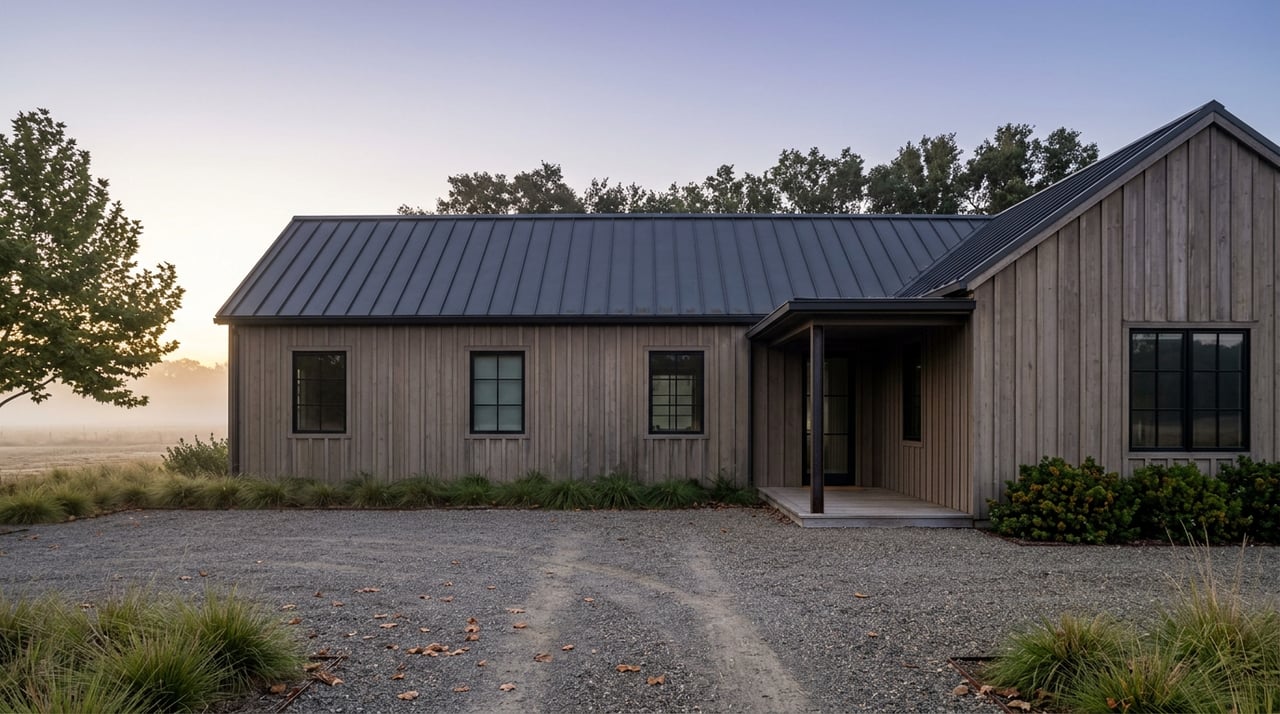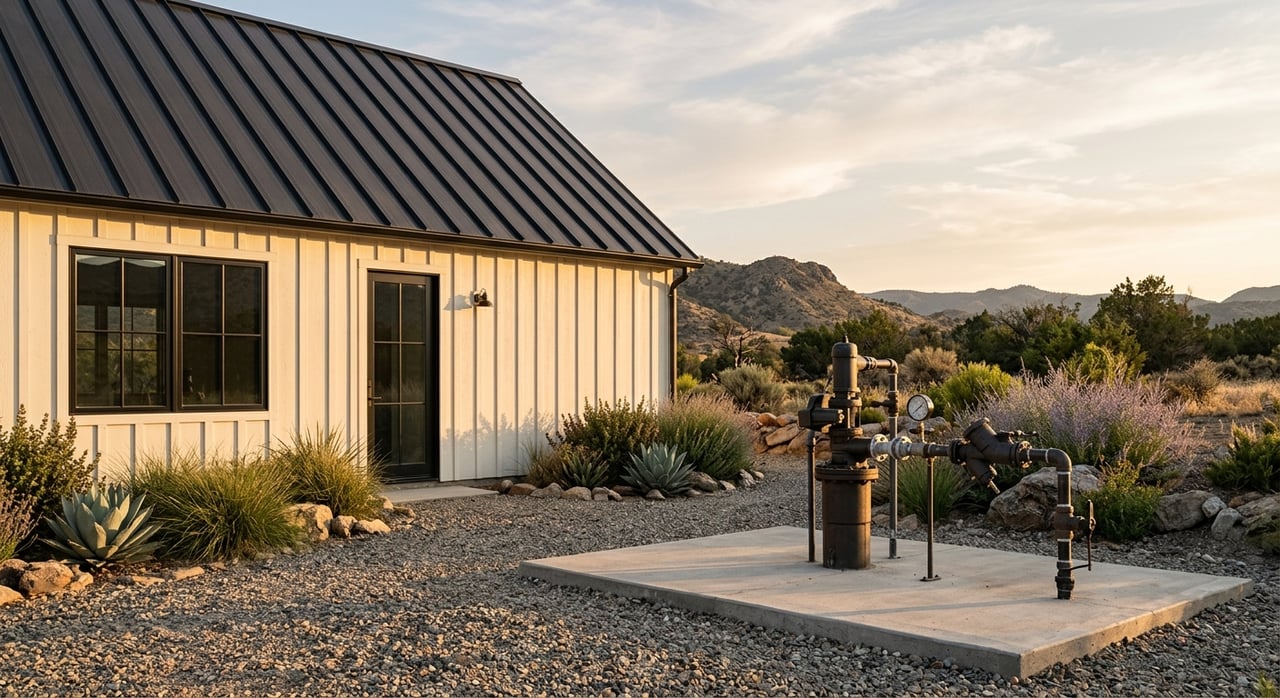
Selling land in Colusa County is not the same as selling a typical house. When your property is a ranch, farm parcel, or rural acreage, buyers usually look beyond price per acre and ask deeper questions about zoning, water, access, hazards, and county records. If you want a smoother sale and fewer surprises, it helps to prepare the property story before it goes live. Let’s dive in.
Why Colusa County land sales are different
Colusa County is an agriculture-first market. According to the county’s General Plan, farming and related agricultural industries are central to the county’s economy and character, and agricultural lands make up more than 75% of the county area.
That matters when you sell. A buyer is often evaluating not just the land itself, but also how the county classifies it, what uses may continue, and whether any land-use limits could affect future plans.
Agricultural zoning shapes value
In Colusa County, agricultural land is treated as a protected land-use category. The county identifies agricultural designations such as AG, AU, and AT, and its zoning code includes Agricultural Preserve and Exclusive Agriculture zones.
Minimum parcel sizes can vary by district, often ranging from 10 to 80 acres. That means questions about splitting land, adjusting boundaries, or separating a homesite from a larger farm parcel may directly affect marketability.
Rural sales are often compliance-driven
For many sellers, the real transaction is not just about acreage and improvements. It is also about recorded documents, easements, setbacks, agricultural use rules, and how the parcel fits into county standards.
Colusa County also requires tools like Right to Farm Declarations and Agricultural Use Easements in certain situations to reduce conflicts with agricultural operations. For a buyer, those details can influence both interest and timing.
Start with what is actually being sold
One of the first things buyers want to know is simple: what kind of property is this? Bare land, irrigated farmland, grazing ground, or a ranch with residential and agricultural improvements can attract very different buyers.
Your listing package should make that clear from the start. When the property type is defined well, you help buyers compare the opportunity accurately and reduce confusion during due diligence.
Production and land-use history matter
If the parcel is actively farmed, crop history can be part of the value story. Colusa County publishes annual crop reports that summarize acreage, production, and gross values for county agricultural commodities, and those reports are used by agricultural businesses, banking and financial companies, and others.
That is why buyers often want more than a basic description. Current use, prior use, lease terms, and production history can all help support pricing and buyer confidence.
Improvements should be clearly documented
If the property includes barns, shops, residences, corrals, irrigation equipment, wells, or septic systems, document what exists and how it is served. Many rural tracts are not connected to municipal water or sewer, so infrastructure details can become major decision points.
Colusa County’s permit system includes separate Environmental Health forms for wells and septic systems, and the county has dedicated rules for well standards and on-site wastewater treatment systems. If improvements are permitted and serviceable, having that information ready can make a meaningful difference.
Water can be a major value driver
In Colusa County, water is often one of the first buyer questions and one of the biggest pricing factors. A buyer may want to know whether the land depends on groundwater, surface-water delivery, district service, or a combination.
If that answer is unclear, negotiations can slow down fast. If it is documented clearly, buyers can assess the property with more confidence.
Be ready to explain the water source
Colusa County’s Water Resources division works on groundwater monitoring, SGMA-related programs, the irrigated lands regulatory program, and other local water issues. The Colusa Groundwater Authority serves as the local Groundwater Sustainability Agency for county portions of the Colusa Subbasin and part of the Butte Subbasin.
For sellers, the practical takeaway is straightforward. You should be ready to identify the parcel’s water source and provide any available records that support that description.
Groundwater questions are common
If the parcel relies on a well, buyers may ask about well depth, pump condition, water quality, drought resilience, and any county water program history. Colusa County even maintains an emergency domestic well program for residents with drought-related well failures, which shows how important water reliability can be in rural transactions.
The more clearly you can present the well and water story, the easier it is for buyers to evaluate the property on real facts instead of assumptions.
Boundaries, access, and maps need verification
Rural buyers tend to look closely at legal access and boundary clarity. A fence line, assessor map, or online parcel image may be helpful for a quick view, but those items do not replace title documents, surveys, and recorded maps.
That is especially important in a county where acreage, easements, and land divisions can materially affect value.
Assessor and GIS maps are not enough
Colusa County’s Assessor states that parcel maps are maintained for assessment purposes and are not warranties. The county GIS disclaimer also says digital map layers are provided without warranty.
So if your sale depends on a specific boundary, access point, or parcel configuration, buyers will want those facts confirmed with original records. This is one reason pre-listing document review can be so valuable.
Legal access can affect closing
The county’s subdivision ordinance addresses land division and recordable maps, and access to a maintained public street or highway can be a key issue in some parcel-map and final-map situations. In practical terms, that means a buyer may not stop at “there is a road.” They may ask whether access is legal, recorded, and consistent with title.
If you can answer that early, you reduce uncertainty and protect momentum during escrow.
Williamson Act status can change the deal
If your property is under a Williamson Act contract, that status can affect both timing and economics. It may also shape how a buyer views taxes, use, and any future plans for the parcel.
This is one of the most important issues to clarify before listing because buyers usually do not want to discover it late in the process.
Nonrenewal is a key question
Colusa County has an active Williamson Act process. The county explains that owners can file a notice of nonrenewal within 90 days of county notice, and that nonrenewal eventually ends the Williamson Act tax savings.
For some sellers, this may be part of a broader strategy. For others, it is simply a disclosure issue that needs to be addressed clearly in the marketing package and escrow file.
Subdivision plans may need extra review
County guidance also says that if a subdivision project involves Williamson Act land, a nonrenewal application for the small residential parcel may need to be submitted as part of the map approval process before recordation. That can matter if your buyer is looking at future land division possibilities.
Even when subdivision is not the main focus, Williamson Act status can still influence negotiation and buyer expectations.
Hazard review should happen before listing
Flood, fire, septic, and survey issues often affect both value and closing timelines. In rural property sales, waiting until escrow to investigate these items can lead to renegotiation or delay.
A better approach is to identify likely issues before the property goes on the market.
Flood maps matter in Colusa County
Colusa County says FEMA remapping has produced significant changes to the floodplain. If your land is low-lying or near a creek, flood-zone review should be part of your pre-listing preparation.
That does not automatically make the property less marketable. It does mean buyers will want a clear understanding of how the parcel is mapped.
Fire and other mapped hazards matter too
California natural hazard disclosure rules require disclosure when property is in mapped hazard areas, including very high fire hazard severity zones and state responsibility areas. If the mapping is unclear, the safest path is often to confirm the status before the listing goes live.
On rural land, hazard questions are common and reasonable. Clear answers support trust and help buyers move forward.
How to prepare your Colusa County acreage for market
The strongest rural listings tell a complete, document-backed story. Instead of relying on a short description and a few photos, they organize the property around the issues buyers care about most.
In Colusa County, that usually means access, water, zoning, hazard status, and any Williamson Act or subdivision constraints.
A practical pre-listing checklist
Before you market land, ranches, or acreage, it helps to gather:
- Current deed
- Current title report
- Survey, record of survey, or record maps if available
- Easement documents
- Any lot-line adjustment or subdivision history
- Water source details, including well or district information if available
- Crop history, lease terms, or current agricultural use details
- Septic and well permit records if applicable
- Flood and hazard map information
- Williamson Act status documents, if applicable
When those items are organized early, you can market with more confidence and respond faster when buyers ask detailed questions.
Why specialized representation matters
Selling rural property in Colusa County often requires more than standard residential listing skills. These transactions can involve county planning issues, water questions, hazard review, title complexity, and a buyer pool that may include local operators, investors, and out-of-area purchasers.
That is where experienced, locally grounded guidance can help. A strong strategy combines clear pricing, practical document prep, and marketing that reaches the right buyers while presenting the property accurately.
If you are thinking about selling land, ranches, or acreage in Colusa County, working with someone who understands both the market and the paperwork can save time and reduce stress. For tailored guidance and a seller-focused plan, reach out to Amber W. Torres.
FAQs
What should you include when selling land in Colusa County?
- You should be ready to show what type of property is being sold, along with records related to zoning, access, water, improvements, hazards, and any Williamson Act status.
How does Williamson Act status affect a Colusa County land sale?
- Williamson Act status can affect timing, taxes, and buyer expectations, and a nonrenewal process may be relevant depending on the property and the buyer’s plans.
Why do buyers ask so many water questions on Colusa County acreage?
- Water is often a major value driver, so buyers commonly ask whether the property uses a well, surface-water delivery, district service, or some combination, along with any records that support reliability.
Do assessor maps confirm boundaries for Colusa County ranches and acreage?
- No. The county says assessor maps are maintained for assessment purposes and are not warranties, so buyers usually look to title, surveys, and recorded maps for confirmation.
What hazard issues should you review before listing rural property in Colusa County?
- You should review flood-zone mapping, fire hazard mapping, and any septic, survey, or other land-related issues that could affect disclosure, value, or closing timelines.