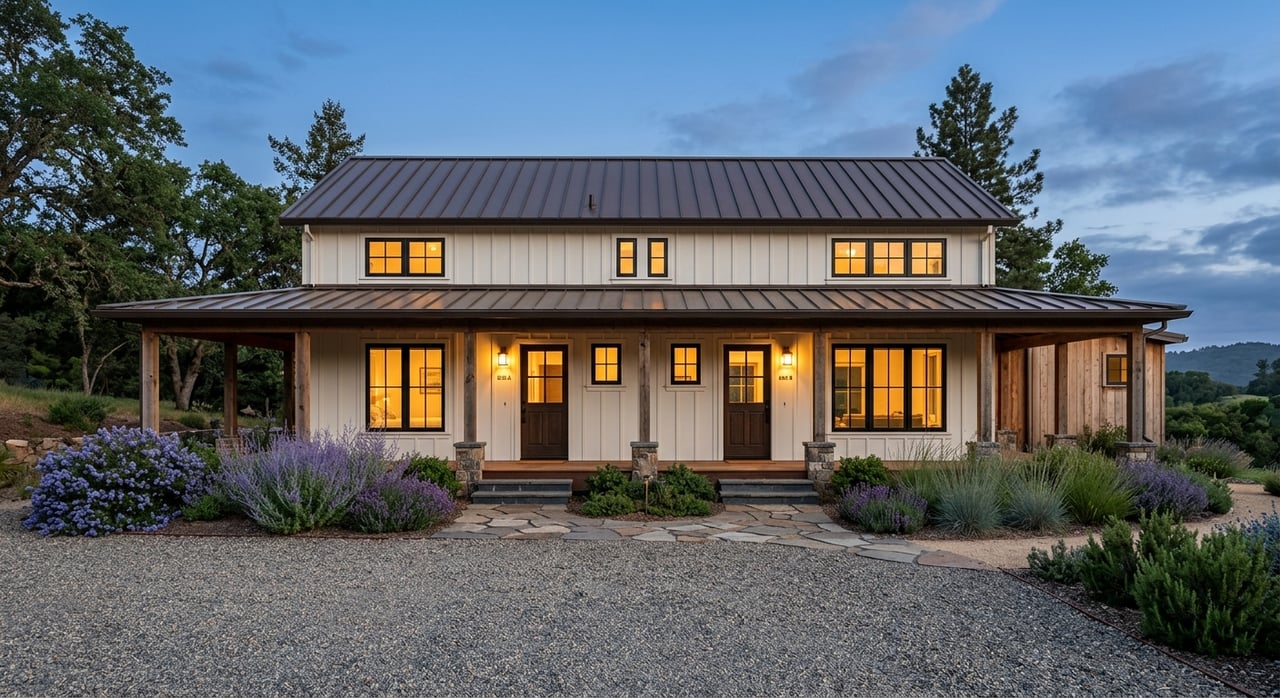
If you are looking at rentals in a small market, Colusa County may catch your eye for a simple reason: the numbers suggest tighter rental conditions than many nearby counties. At the same time, this is not a plug-and-play market where every property works as an investment. You need to weigh rents, vacancy, housing supply, zoning, and property type carefully before you buy. Let’s dive in.
Why Colusa County Draws Investor Interest
Colusa County is a small, rural market with about 22,074 residents, 7,512 households, and 8,291 housing units, according to the U.S. Census Bureau. That smaller scale matters because even modest shifts in supply or demand can affect rental performance.
From an affordability standpoint, Colusa County sits below California on both rents and home values. The county’s median gross rent is $1,157, while the median owner-occupied home value is $393,400. By comparison, California overall reports a median gross rent of $2,036 and a median owner-occupied value of $734,700.
For many investors, that creates an opening. A lower price point can make it easier to enter the market, especially if you are comparing Colusa County with more expensive parts of the state.
Rental Demand Looks Tight
One of the most important signals in Colusa County is vacancy. The latest county housing profile from the California Employment Development Department shows a 1.1% rental vacancy rate, which points to a very tight rental market.
That rate is lower than several nearby counties in recent profiles, including Yuba at 3.3%, Sutter at 2.5%, Glenn at 7.2%, and Butte at 5.8%. Low vacancy does not guarantee strong returns, but it does suggest that available rentals may be limited relative to local demand.
For a buyer of income property, this can be encouraging. Tight vacancy often supports more stable occupancy, but you still need to underwrite conservatively and verify what comparable units are actually renting for.
Housing Stock Is Limited for Small Multifamily
Colusa County’s housing mix also shapes the investment landscape. According to the same EDD housing profile, 81.4% of housing units are single-unit detached homes.
Small multifamily inventory is much thinner. The county reports 2.3% of units in 2-unit structures, 3.8% in 3-to-4 unit structures, 2.1% in 5-to-9 unit structures, 0.3% in 10-to-19 unit structures, and 1.7% in buildings with 20 or more units.
That matters because scarcity can cut both ways. Duplexes and small apartment buildings may be harder to find, but limited supply can also make them attractive when they are well located, legally permitted, and priced correctly.
What Property Types May Fit Best
In a market like Colusa County, many investors will likely focus on a few practical categories:
- Single-family rentals
- Duplexes
- Small multifamily properties
- Mixed-use properties, where allowed
The local demographic snapshot may support modest family-sized rentals more than very small units. The Census Bureau reports an average household size of 2.89 people, and 26.5% of residents are under 18.
That does not mean every tenant wants the same layout. It does suggest, though, that functional homes with practical bedroom counts may align better with local demand than a strategy built around luxury finishes or studio-heavy inventory.
Zoning Can Make or Break the Deal
In Colusa County, zoning is not a side detail. It is one of the first things you should confirm before you assume a property can operate as a rental, be expanded, or be converted to a different use.
The county zoning code defines a duplex as two dwelling units with a shared roof or common wall and separate entrances. It defines a multiple-family dwelling as three or more units. The county also includes zoning classifications such as residential multiple-family, apartment-professional, mixed use, and planned development districts, as shown in the Colusa County zoning code.
In plain terms, you should never assume a parcel can support a duplex, small apartment building, or mixed-use setup just because the structure seems to fit. Parcel-specific zoning, legal use status, and permit history all matter.
Why Planning Review Matters
The Colusa County Planning Department provides access to the General Plan, Zoning Code, permits and applications, interactive mapping, and zoning review processes. The zoning administrator may handle code interpretation, site plan review, administrative permits, minor use permits, temporary use permits, variances, and related determinations.
For you as an investor, that means due diligence should go beyond a quick property walkthrough. A property with upside on paper may have real limits if zoning, access, site constraints, or permit requirements do not line up with your business plan.
This point is especially important in a county where agricultural land use plays a major role. The county’s code includes agricultural classifications intended to protect long-term agricultural activity, and county labor-market materials identify agriculture as the primary economic activity in the area, as reflected in the county code materials.
New Supply Appears Constrained
Another useful indicator is building permit activity. The Census Bureau reports that Colusa County recorded 53 building permits in 2024.
That is a low number compared with nearby Yuba at 756 and Sutter at 117. In a small county, low permit volume does not automatically mean values will rise or rents will jump. It does suggest a relatively limited construction pipeline, which can help keep an existing rental market competitive if demand holds.
When you combine low permit volume with a 1.1% rental vacancy rate, you get a picture of a market where supply may be slow to expand. That is one reason some investors are willing to look closely at existing rentals and smaller income properties here.
Underwriting Needs a Conservative Approach
Colusa County may offer lower entry pricing than many California markets, but that does not mean every deal cash-flows well. At the county median gross rent of $1,157, annual gross rent comes to about $13,884 per year based on the Census snapshot.
The same source shows median monthly owner costs with a mortgage at $2,048. That is roughly 1.8 times the county’s median gross rent, which is a good reminder that financed deals may be tight unless you buy at the right basis, structure the asset well, or bring meaningful equity.
This is where disciplined underwriting matters most. You should account for more than rent and a mortgage payment.
Expenses to include in your analysis
- Property taxes
- Insurance
- Repairs and maintenance
- Capital reserves
- Vacancy allowance
- Turnover costs
- Utilities, if owner-paid
- Property management, if applicable
California property taxes are based on assessed value set by the county assessor, and under Proposition 13 guidance from the California State Board of Equalization, the base tax rate is generally 1% plus local levies. Assessed value is generally established when a property changes ownership or is newly constructed, which can materially affect your numbers after a purchase.
What a Smart Investor Should Check First
If you are considering a rental or income property in Colusa County, start with a simple due-diligence checklist before you get attached to the upside story.
Verify legal use and zoning
Review the parcel’s zoning and permitted use through the county planning resources. Confirm whether the current use is legal, nonconforming, or dependent on a past permit.
Confirm the permit path
If your plan includes adding units, converting space, or repositioning a mixed-use asset, ask what approvals are required. A property can look promising until permit requirements change the timeline or budget.
Study the local rent reality
Countywide median rent is helpful for context, but your actual performance depends on unit size, condition, location, and local competition. Compare like with like and underwrite rents conservatively.
Evaluate supply in that property type
Single-family homes dominate Colusa County’s housing stock, while duplexes and small multifamily properties appear less common. That can support value, but it can also mean fewer direct comps when you estimate rent or resale.
Budget for holding and repairs
In a small market, preserving occupancy and property condition is critical. Make sure your reserves can handle repairs, vacancy, and tenant turnover without putting pressure on your investment plan.
Is Colusa County a Good Fit for Your Investment Goals?
The short answer is: it can be, if your strategy matches the market. Colusa County looks more like a conservative small-market investment story than a high-rent, rapid-scale play.
You have lower rents and lower home values than California overall, a very tight rental vacancy rate, limited new permit volume, and a housing stock heavily weighted toward detached homes. You also have zoning and land-use considerations that can materially affect what a property can legally support.
That means success often comes from careful buying, realistic rent assumptions, and strong local due diligence. If you want to invest in Colusa County rentals or income property, local knowledge can make a meaningful difference before you write an offer.
If you are weighing a duplex, single-family rental, mixed-use property, or a more complex investment opportunity in Colusa County, working with a local professional who understands zoning, rural property issues, and small-market pricing can help you avoid expensive mistakes. When you are ready to explore your options, connect with Amber W. Torres for practical, local guidance.
FAQs
What makes Colusa County rental property different from larger California markets?
- Colusa County is a smaller, rural market with lower median rents and home values than California overall, limited small multifamily inventory, and a very low 1.1% rental vacancy rate.
What is the rental vacancy rate in Colusa County, California?
- The latest county housing profile from the California Employment Development Department reports a 1.1% rental vacancy rate.
What types of income property are common in Colusa County?
- Single-family homes make up most of the housing stock, while duplexes and small multifamily properties are much less common.
Why is zoning important for Colusa County investment property?
- Zoning affects whether a parcel can legally support a duplex, multifamily use, mixed-use setup, or future conversion, so investors should verify parcel-specific rules before buying.
What should investors budget for when buying Colusa County rentals?
- A conservative budget should include property taxes, insurance, repairs, capital reserves, vacancy, turnover costs, and any owner-paid utilities or management costs.