On September 12, a handful of grandparents walked their grandchildren through the gate at 499 Marguerite Street in Williams and let them dig. It wasn't a school field trip and it wasn't a farm tour. It was an open garden day at the Donna Critchfield Demonstration Garden, the plot UC Master Gardeners of Colusa County keep behind the County of Colusa Office of Education's Education Village campus, and for one morning the fence that usually separates volunteers from everyone else came down.
Most people who drive past Education Village see a school building. What sits behind it functions closer to a supply line. The vegetables coming out of that half-acre don't go to a farmers market table. They go into a school lunch tray and a food pantry box, which means the garden's real audience was never the public at all. Grandparents Day was the exception, not the rule.
What's Actually Growing Behind The School
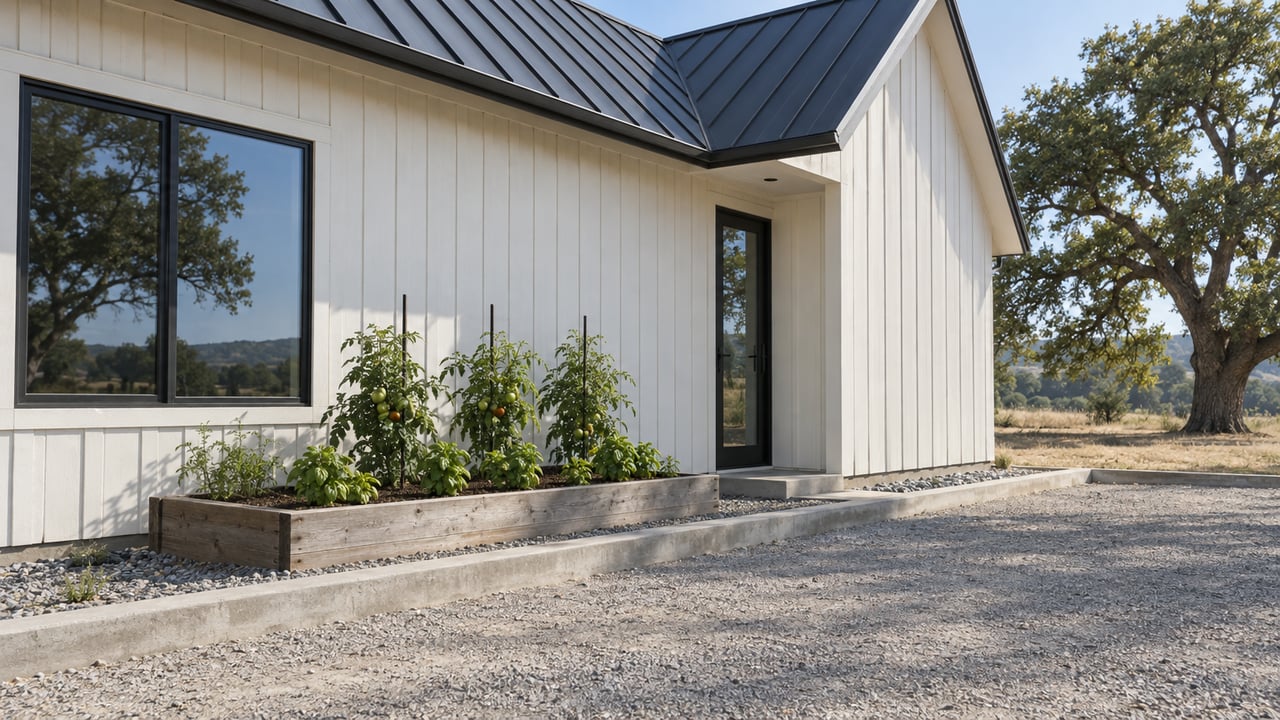
The plot started small. Back in 2021, Master Gardeners broke ground on what they called the Farm to School Community Garden, beginning with a single bed of tomatoes and a drip irrigation system the group built and demonstrated in public so residents could copy the setup at home. It has since grown into the Donna Critchfield Demonstration Garden, planted in rotation the way any working vegetable operation would be: broccoli, Brussels sprouts, cauliflower and cabbage through the winter months, seeded rows of carrots, beets, spinach, radishes and peas alongside them, and a summer turnover into tomatoes, peppers, squash, cucumbers, melons, beans, corn and a bed of annual herbs. A water-wise planting bed, built out in November 2022 and expanded since, sits next to the vegetable rows as its own kind of exhibit, showing what a drought-tolerant home yard can look like without turning into gravel and nothing else.
The garden exists to teach eight specific habits UC Master Gardeners promote statewide: matching plants to the site's own conditions instead of fighting them, cutting waste through recycling and reuse, building soil health, conserving water, conserving energy, controlling pests without overreacting to them, supporting the insects and birds a yard depends on, and growing at least some of what a household eats. Every bed on Marguerite Street is doing one of those eight jobs in public, which is the entire point of calling it a demonstration garden rather than a community garden.
Where The Harvest Actually Goes
None of it is decorative. Vegetables pulled from the beds are distributed through the county's Ministerial food distribution program, and produce grown during the garden's earlier years as the Farm to School plot was folded directly into Education Village's lunch service. A raised bed built on legs, added specifically so gardeners who can't kneel can still work the soil, produces food on the same schedule as every other bed. This is a teaching garden that also has to show up as a supply line twice a week, which is a harder standard than most demonstration plots hold themselves to.
A Program Smaller Than It Looks
The people running all of this are not a large staff. UC Master Gardeners of Colusa County describe their own reach in blunt terms: a program of 18 volunteers that generated 320,000 online impressions in three years. On the ground, the group has logged 6,475 volunteer hours and made more than 12,154 face-to-face contacts with residents since the program started in 2009, a tally that includes plant clinics, workshops and the kind of one-on-one questions answered over a fence line.
Among the volunteers who keep the demonstration garden running are John and Diane Vafis. John, in particular, has become the group's go-to on water-wise gardening and plant identification. A UC ANR profile of his work quoted a fellow committee member describing him as having "quite the green thumb with vegetable gardening," the kind of endorsement that matters more coming from other volunteers than from a press release.
The Recurring Ways In
The Grandparents Day event wasn't a one-off gimmick. It's one entry point into a calendar the group runs year-round, most of it built around places residents already pass through:
- A monthly podcast, A Garden Runs Through It, hosted by Karina, the UC Master Gardener Coordinator of Colusa County, alongside volunteers Cynthia Peterson and Barbara Schemer, covering what to plant that month and answering listener questions submitted by email. Episodes are searchable on Apple Podcasts, iHeartRadio, Spotify and at radiocolusa.com, and past topics have ranged from soil pH to a segment with Lora Haller of the Sacramento National Wildlife Refuge Complex on attracting monarch butterflies.
- Drop-in plant clinics at Griff's Feed and Seed in Colusa, where volunteers take sick plants and pest questions off residents' hands without an appointment.
- A recurring table at the Colusa Farm Show and at family-fair days at the Colusa County Fairgrounds, plus outreach stops like the Williams Flea Market, where volunteers have handed out winter vegetable seeds and poured lemongrass tea for anyone who stopped by.
Seasonal workshops fill in the rest of the year. Past sessions have covered drip irrigation setup, wreath making from fresh greens, pumpkin centerpieces built with succulents, and a native bee identification class aimed at getting more pollinators into home gardens. None of it requires a green thumb going in. The program's own pitch is that Master Gardeners are trained, not born, and that the volunteers running the demonstration garden started exactly where a first-time visitor to Marguerite Street would.
The office that anchors all of this sits at 100 Sunrise Blvd., Suite E, in Colusa, reachable at 530-458-0570 for anyone who wants a straight answer before showing up to a workshop or the next open garden day. The garden itself doesn't post regular public hours. Its open days happen around events like the one on September 12, which means the most reliable way to see what's growing behind Education Village is to watch the group's own calendar rather than assume the gate is open on a given Tuesday.
What separates this garden from a typical community plot is the accounting. Most demonstration gardens exist to be looked at. This one has to answer for every bed twice: does it teach the practice it's supposed to teach, and does it produce enough food to matter to the food pantry and the lunch line it feeds. On September 12, a few dozen grandchildren got to see both halves of that at once, hands in the dirt in a garden that was already working before they arrived.
If you're settling into a home in Williams or anywhere else in Colusa County and want to know which local institutions are worth learning first, Amber W. Torres keeps a running list, and the Donna Critchfield Demonstration Garden is on it.